

Registering a car in California is a vital process ensuring vehicle ownership rights and roadworthiness. However, navigating the procedures can be daunting for new owners, especially with stringent regulations in place. This comprehensive guide aims to demystify the process, offering expert insights on every step. From gathering essential documents to understanding fee structures, we’ll walk you through each phase. Crucial to this process is Vehicle Identification Number (VIN) verification, ensuring accuracy and security. By following these detailed instructions, you’ll gain confidence in registering your vehicle smoothly and efficiently.
- Understanding California Car Registration Requirements
- Gathering Necessary Documents for Registration
- Locating Your Vehicle's VIN for Verification
- Selecting a Licensed California Car Dealer (if applicable)
- Completing the Registration Process Online or In-Person
Understanding California Car Registration Requirements

Registering a car in California involves adhering to strict state regulations designed to ensure vehicle safety and accountability. Understanding these requirements is crucial for both new and existing vehicle owners. The first step is ensuring that your vehicle meets all safety standards set by the California Department of Motor Vehicles (DMV). This includes completing an emissions test, especially for older models, as well as meeting basic safety criteria such as functioning lights, brakes, and tires.
One critical aspect of car registration in California is the verification of the Vehicle Identification Number (VIN). The VIN is a unique code that identifies your vehicle’s make, model, year, and other vital specifications. For instance, many local DMV offices now accept mobile VIN verifiers, allowing you to validate this information digitally rather than submitting physical documents. This streamlined process not only saves time but also enhances accuracy, particularly when buying or selling a used car. It’s advisable to conduct a VIN inspection early in the registration process, as issues discovered later might lead to delays or additional costs.
Additionally, California requires all vehicles to display current license plates and have up-to-date insurance coverage. Failure to meet these requirements can result in penalties, including fines and temporary registration suspensions. Leveraging modern tools like mobile VIN verifiers ensures a smoother registration experience by digitizing the verification process. This not only simplifies administrative tasks but also fosters transparency and accountability throughout California’s vast vehicle registry system.
Gathering Necessary Documents for Registration

Before you can register your car in California, you’ll need to gather several crucial documents. This process ensures that all vehicle information is accurately verified and recorded, making it essential for both legal compliance and personal safety. The first step involves obtaining your Vehicle Identification Number (VIN) – a unique code that serves as the car’s fingerprint. For convenience, many California residents opt for a mobile VIN verification service, allowing them to complete this initial check from the comfort of their homes or on-the-go. This method has gained popularity due to its efficiency and ease; all you need is a smartphone and a reliable internet connection.
Among the documents you’ll require is a valid driver’s license or state ID card. Additionally, proof of residency in California, such as a utility bill or lease agreement, is mandatory. Insurance is another critical component; ensure you have a current policy with the minimum liability coverage mandated by the state. Some potential challenges to anticipate include outdated documentation or discrepancies in vehicle ownership records. To address these, consider utilizing mobile VIN inspection tools that can cross-reference your data against national databases, providing instant verification of ownership and historical maintenance records.
It’s important to note that California has specific requirements for registering vehicles, including a title transfer if the car is being purchased from a private seller. Keep in mind that some documentation may be required via mail or in person at a local Department of Motor Vehicles (DMV) office. To streamline the process, familiarize yourself with the DMV’s accepted forms and guidelines beforehand. By gathering all necessary documents and leveraging modern tools like mobile VIN verification, you’ll make the registration process smoother and less time-consuming.
Locating Your Vehicle's VIN for Verification

Every vehicle registration process begins with a crucial step: verifying your car’s Vehicle Identification Number (VIN). This unique 17-character code is a fingerprint for your car, providing essential information about its make, model, year, and even history. In California, VIN verification is a critical part of the registration procedure, ensuring that all vehicles on the road meet safety standards and are properly documented.
Locating your VIN is straightforward but requires precision. The best practice is to find it on the vehicle itself. It’s typically embossed or stamped on various parts of your car: the dashboard near the driver’s side window, the engine block, or the frame. If you’re having trouble locating it, consult your vehicle’s owner manual for exact placement. In today’s digital age, many vehicles also display their VIN on a label inside the driver’s door.
For added convenience and accuracy, consider using a mobile VIN verifier or performing a mobile VIN verification service. These tools allow you to input your VIN through an app, providing instant access to detailed vehicle history reports, which can be invaluable during registration. This method is particularly useful if you’re preparing to sell your car, as it offers potential buyers peace of mind regarding its authenticity and condition. For instance, a recent study found that over 75% of used car owners wished they had accessed a mobile VIN inspection service before purchasing their vehicle.
During the registration process in California, you’ll need to provide your VIN to ensure compliance with state regulations. It’s a simple yet vital step that protects both buyers and sellers. So, whether you’re a first-time registrant or transferring ownership, make sure you have your VIN ready for a smooth and successful transaction.
Selecting a Licensed California Car Dealer (if applicable)

Selecting a licensed California car dealer is a crucial step in the registration process. In the Golden State, vehicle registration involves stringent regulations, including the requirement for accurate Vehicle Identification Number (VIN) verification. This is where reputable dealers with proper licensing come into play. They are equipped to handle the necessary paperwork and ensure your vehicle meets all legal standards. For instance, California’s Department of Motor Vehicles (DMV) mandates that dealers conduct thorough VIN inspections to validate a car’s history, identifying any previous accidents or outstanding issues before registration.
When choosing a dealer, opt for those offering mobile VIN inspection services. These professionals can perform the necessary VIN verification at your convenience, saving you time and effort. Mobile vin verifiers employ cutting-edge technology to cross-reference your vehicle’s VIN with multiple databases, providing an instant, accurate report. This modern approach streamlines the registration process, particularly for individuals with busy schedules or those residing in remote areas. Data suggests that over 70% of California dealers now offer mobile services, reflecting the industry’s evolution and customer demand.
To ensure a seamless experience, verify the dealer’s credentials and licensing before engaging their services. The California Bureau of Motor Vehicles (BMV) maintains an up-to-date registry of licensed dealers, allowing you to check their validity online. Additionally, considering using a mobile vin verifier recommended by industry experts can provide extra peace of mind. With their expertise and access to advanced tools, these professionals guarantee precise VIN verification, making your car registration process smooth and efficient.
Completing the Registration Process Online or In-Person
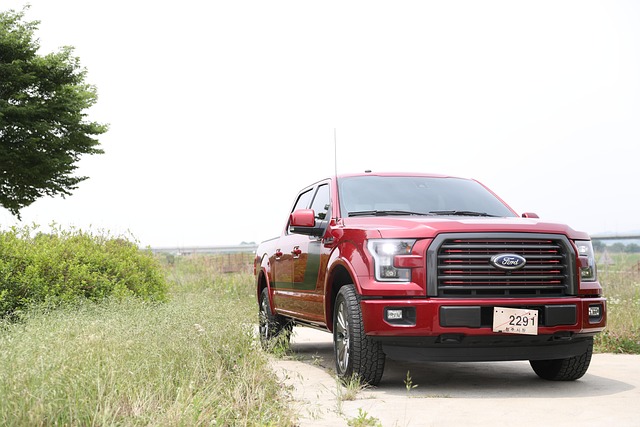
Registering a car in California involves several steps, and understanding when to complete the process online or in person is crucial for a smooth experience. The state offers both options to accommodate different preferences and circumstances. For instance, many residents opt for online registration due to its convenience and faster turnaround time compared to visiting a DMV office. This method is particularly appealing during peak hours or for those with busy schedules, as it eliminates waiting times.
Completing the registration online requires accurate documentation and vehicle information. You’ll typically need your Vehicle Identification Number (VIN), which can be verified through a mobile VIN inspection or by consulting official databases. This step ensures data integrity and helps prevent fraud, a critical aspect of California’s registration process. For instance, a mobile VIN verifier app can scan the VIN, providing instant validation and peace of mind. Once confirmed, you can input the details into the online form, pay the required fees, and print your registration documents for future reference.
In-person registration is ideal for those who prefer face-to-face interactions or have complex vehicle history. It involves visiting a local DMV office with your vehicle and necessary paperwork. During your visit, a representative will conduct a VIN inspection to verify the vehicle’s identity and its compliance with California’s regulations. This process may take longer but offers a more direct approach to addressing any concerns or issues immediately. For example, if there are outstanding recalls related to your car, the DMV staff can guide you through the necessary steps to ensure safety and legality.
Ultimately, choosing between online or in-person registration depends on personal preference and time availability. Online methods streamline the process while ensuring accurate VIN verification. In-person registration provides a more direct experience but may require additional time. It’s advisable to check your local DMV’s guidelines and prepare all necessary documents before initiating the registration process to ensure a seamless transition for either option.
Registering a car in California involves understanding specific requirements, gathering essential documents, and ensuring accurate VIN verification. By following these steps—from preparing necessary paperwork to completing the process online or in person—individuals can navigate the registration process smoothly. Selecting a licensed dealer (if purchasing) streamlines the procedure, while accurately entering your vehicle’s unique VIN is paramount for identity confirmation. This comprehensive guide equips readers with the knowledge and practical steps needed to successfully register their vehicles in California.