

Registering a car in California is a vital step for any new vehicle owner, ensuring legal compliance and providing proof of ownership. However, navigating the process can be challenging, with its unique requirements and paperwork. This comprehensive guide aims to demystify the car registration procedure, offering expert insights tailored specifically to California’s regulations. We’ll walk you through each step, from gathering essential documents to utilizing reliable VIN verifiers, ensuring a seamless and stress-free experience. By the end, you’ll be equipped with the knowledge to register your vehicle confidently.
- Understand California Car Registration Requirements
- Gather Necessary Documents for Vehicle Registration
- Choose an Appropriate Title Application (Form CV-1)
- Verify Your Vehicle's VIN with a Trusted Service
- Complete and Submit the Registration Application (DMV Form TR-205)
Understand California Car Registration Requirements

Registering a car in California involves understanding specific requirements to ensure legal compliance and smooth transactions. One crucial aspect is verifying the Vehicle Identification Number (VIN). The VIN is a unique code that identifies your vehicle and is essential for registration. In California, this process typically requires an accurate and official VIN record, which can be obtained through several methods.
A practical approach many Californians take advantage of is using mobile VIN inspection and verification services. These services allow you to get your VIN checked remotely, ensuring the number is legitimate and matches the vehicle’s make, model, and year. A mobile VIN verifier, for instance, can provide instant results by comparing the entered VIN with databases maintained by the California Department of Motor Vehicles (DMV). This modern solution saves time, eliminates trips to DMV offices, and reduces potential errors in manual record-keeping.
Additionally, it’s important to ensure that the vehicle’s title is free of any liens or encumbrances. The DMV requires clear title documentation during registration. If there are outstanding loans or leases, you’ll need to involve the lienholder to have their interest noted on the title. This process, sometimes facilitated by a mobile VIN verifier, ensures that all records align accurately, streamlining the registration and providing legal protection for both owners and buyers.
Gather Necessary Documents for Vehicle Registration

Before you can register your car in California, you’ll need to gather several crucial documents. This process is essential for ensuring a smooth and legal transaction. Start by acquiring the Vehicle Identification Number (VIN) of your vehicle, which serves as a unique fingerprint for your car. Many Californians opt for a mobile VIN verification service to streamline this initial step; these services enable you to quickly and conveniently retrieve your VIN using your smartphone or tablet. Once you have the VIN, you can verify its authenticity through various online tools, ensuring it matches the vehicle you intend to register.
The next essential document is proof of ownership, typically in the form of a title or bill of sale. If you’re buying from a dealership or private seller, they should provide these documents. It’s also vital to gather any existing registration paperwork, as California requires a transfer of registration when changing owners. Additionally, have your driver’s license and insurance card ready. Some counties in California offer the option of registering vehicles online, but for most transactions, you’ll need to visit a local Department of Motor Vehicles (DMV) office with these documents in hand.
Additionally, consider having recent maintenance records and repair receipts handy; these can expedite the inspection process. If your vehicle has undergone significant modifications or uses alternative fuel sources, prepare additional documentation to support these changes. Remember, accuracy is key throughout the registration process. Whether you’re conducting a mobile VIN inspection or visiting the DMV, ensure all information aligns with your vehicle’s characteristics to avoid delays or complications.
Choose an Appropriate Title Application (Form CV-1)

When registering your car in California, selecting the correct title application is a crucial step in the process. The form CV-1, specifically designed for vehicle registration, serves as the backbone of this procedure. It’s important to approach this choice with precision, considering various factors that ensure a seamless and accurate registration experience. One critical aspect to keep in mind is utilizing a reliable VIN verifier—a tool that facilitates the verification process by checking a vehicle’s unique Vehicle Identification Number (VIN).
For instance, mobile VIN verification has gained traction as an efficient alternative to traditional inspection methods. This innovative service allows you to conduct a thorough VIN inspection from the comfort of your location using just your smartphone or tablet. By integrating this technology into your registration process, you can streamline the initial stages, reducing potential errors and delays. California’s Department of Motor Vehicles (DMV) recommends such advanced methods to enhance accuracy and efficiency, especially with the increasing complexity of modern vehicles’ identification systems.
The CV-1 form requires precise information, including accurate VIN data obtained through a reliable mobile VIN verifier or other approved methods. This ensures that the title application aligns perfectly with the vehicle’s specifics, expediting the registration process significantly. Regularly updating your VIN inspection methods—say, conducting a 1-time comprehensive VIN check during initial registration and subsequent annual inspections—can help maintain compliance and avoid any potential issues down the line. Remember, attention to detail at this stage is key to a smooth ownership experience.
Verify Your Vehicle's VIN with a Trusted Service
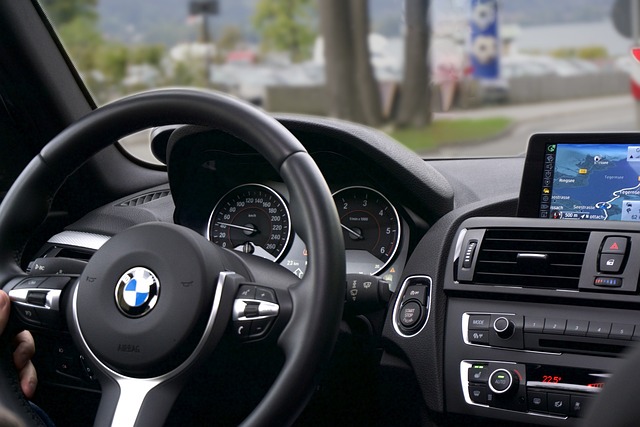
Verifying your vehicle’s VIN (Vehicle Identification Number) is a critical step in the car registration process in California. This crucial task ensures that the vehicle you’re registering matches the records on file and helps prevent fraud or identity theft. When it comes to checking your VIN, opt for a trusted service that offers reliable and secure methods of vin inspection. Many online platforms and mobile apps now provide convenient mobile vin verification, allowing you to complete this process from the comfort of your home.
One of the key benefits of using these modern tools is their accuracy and speed. For instance, some services use sophisticated algorithms and databases to cross-reference your VIN with official records within seconds. This instant validation gives you peace of mind, knowing that your vehicle’s details are authentic. Moreover, mobile vin inspection apps often provide additional features like reporting stolen vehicles or checking a car’s history, offering more value than traditional methods.
To ensure the best experience, consider using services that have high user ratings and employ secure data encryption to protect your information. For instance, data from the National Motor Vehicle Title Information System (NMVTIS) shows that vehicles registered with verified VINs have a significantly lower risk of being reported as stolen or having odometer rollback issues. Always remember, taking the extra step to verify your VIN through reliable vin inspection services can save you time, money, and potential headaches in the long run.
Complete and Submit the Registration Application (DMV Form TR-205)

To register a car in California, you must complete and submit the Registration Application (DMV Form TR-205). This form requires detailed information about your vehicle, including its make, model, year, and unique Vehicle Identification Number (VIN). Accurately entering this data is crucial; any discrepancies can delay or even prevent registration. A reliable method to ensure the VIN’s accuracy is through a mobile vin inspection or verification service, which uses advanced technology to cross-reference and confirm the number.
When filling out the TR-205, you’ll need to provide proof of identification, insurance, and payment for the registration fee. It’s essential to double-check all entries before submission; errors can lead to additional delays or issues with vehicle title transfer. For instance, a study by the California DMV found that nearly 10% of applications had at least one error, resulting in processing backlogs. Leveraging mobile vin verification services during this stage can help streamline the process by verifying critical information upfront, minimizing mistakes, and ensuring a smoother application journey.
Once your application is complete, you’ll receive a registration certificate and license plate. However, before putting those plates on your vehicle, ensure they match your VIN exactly. Mobile vin verifier apps can facilitate this check, providing peace of mind that all components align correctly. By combining meticulous form filling with efficient mobile verification tools, Californians can navigate the car registration process efficiently, avoiding potential pitfalls and securing their vehicle’s legal status in a timely manner.
By meticulously following California’s car registration process, from understanding foundational requirements to submitting the correct forms, you can ensure your vehicle’s legal status. Key insights include gathering essential documents, selecting the proper title application (Form CV-1), verifying your Vehicle Identification Number (VIN) with a trusted service, and completing DMV Form TR-205 accurately. Utilizing a reliable VIN verifier enhances accuracy and streamlines the registration process. Armed with these practical steps, you’re well-prepared to navigate California’s car registration procedures confidently and efficiently.