

Registering a car in California is a vital step for any new owner, ensuring legal compliance and facilitating smooth operation on the state’s roads. However, navigating the process can be challenging due to the region’s stringent regulations and unique requirements. This comprehensive guide aims to demystify the registration procedure, offering step-by-step instructions and expert insights. We’ll delve into everything from gathering essential documents to utilizing reliable tools like a VIN verifier to ensure accuracy and authenticity during this critical process.
- Prepare Necessary Documents for Car Registration
- Verify Vehicle Identity with VIN Verifier
- Meet California's Eligibility Requirements for Registration
- Submit Applications and Pay Fees to DMV
- Obtain License Plate and Register Your Vehicle
Prepare Necessary Documents for Car Registration

Before you begin the car registration process in California, it’s crucial to gather all necessary documents and ensure your vehicle meets state requirements. One of the first steps involves verifying the Vehicle Identification Number (VIN) using a reliable method like a mobile VIN verifier. This step is essential for several reasons: it confirms vehicle ownership, checks for any outstanding recalls or legal issues, and ensures the car’s history aligns with what you anticipate. Many reputable mobile VIN verification services allow you to conduct this inspection remotely, providing convenience and accuracy in one go.
Among these documents, a clear title demonstrating your ownership of the vehicle is paramount. In California, the Department of Motor Vehicles (DMV) requires a completed Application for Title and Registration form, accompanied by proof of identification and payment of registration fees. It’s also vital to present valid insurance documentation if your car is insured. Additionally, you may need evidence of emission compliance or an inspection report from a certified station, particularly if your vehicle is older than 10 years.
Further, preparing a comprehensive history of the vehicle’s maintenance and repairs can streamline the registration process. This includes service records, repair invoices, and any documentation related to modifications made to the car. By proactively gathering these documents, you can expect a smoother transaction when submitting your application for car registration through the California DMV. Using a mobile VIN inspection tool can help uncover potential issues early in the process, ensuring a more efficient and stress-free experience.
Verify Vehicle Identity with VIN Verifier
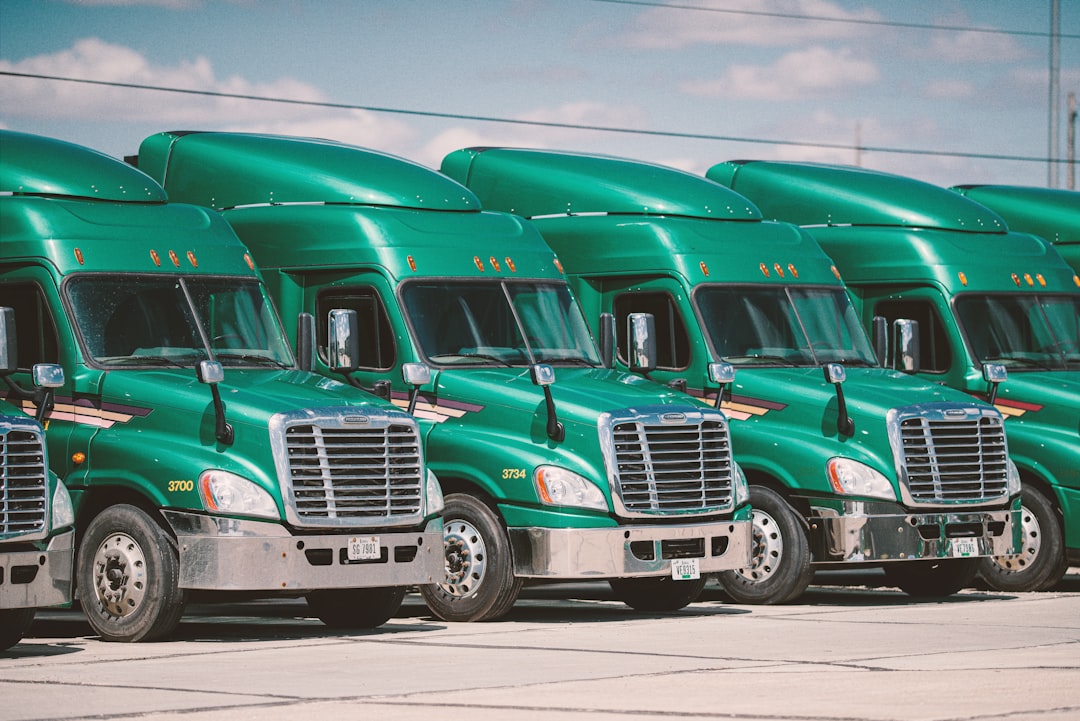
Verifying a vehicle’s identity is a critical step in the registration process, ensuring that the car you’re registering is genuine and free from any legal or safety issues. One of the most effective ways to achieve this in California is by utilizing a VIN verifier. This tool plays a pivotal role in the car registration procedure, providing an accurate and secure check of your vehicle’s history and specifications.
A VIN (Vehicle Identification Number) verifier is a specialized service that cross-references the unique 17-character code on your vehicle with databases containing extensive information about its origin, ownership history, accident reports, and maintenance records. Many California Department of Motor Vehicle (DMV) branches now offer or accept mobile VIN inspection services, allowing you to verify your car’s identity conveniently before proceeding with registration. This modern approach streamlines the process, reducing potential delays caused by discrepancies in vehicle documentation.
For instance, a study by the California DMV revealed that approximately 10% of vehicles presented for registration had some form of identification issue. Utilizing vin inspection services could significantly reduce this figure by identifying problems early in the registration process. This proactive measure ensures that only legitimate vehicles are registered, enhancing road safety and legal compliance. When choosing a mobile vin verification service, ensure it’s accredited and reliable to guarantee an accurate and swift outcome.
Meet California's Eligibility Requirements for Registration

Before registering your car in California, it’s crucial to understand the state’s eligibility requirements. To start, the vehicle must be legally imported and comply with California Emissions Standards. The Environmental Protection Agency (EPA) and the California Air Resources Board (CARB) set these standards, ensuring vehicles meet specific pollution control and efficiency criteria. Failure to adhere to these guidelines can result in registration denial or additional fees.
California also mandates that all vehicles undergo a comprehensive safety inspection. This includes checking essential components like brakes, lights, mirrors, and tires. For convenience, many residents opt for mobile VIN (Vehicle Identification Number) inspections and verifications, allowing them to have these checks performed at their preferred location. Services offering mobile VIN inspection can help ensure your car meets all necessary safety standards before registration.
Additionally, the California Department of Motor Vehicles (DMV) requires a valid registration from the previous state if you’re transferring your vehicle. This ensures a seamless transition and minimizes potential delays. It’s worth noting that some out-of-state registrations may need to be updated to meet California’s specific requirements. For example, registration documents must include an accurate description of the vehicle, including its make, model, year, and VIN, which can be verified through a mobile VIN inspection service for added convenience and accuracy.
Submit Applications and Pay Fees to DMV

To complete the registration process in California, you’ll need to submit applications and make the necessary fee payments at your local Department of Motor Vehicles (DMV) office. This step involves careful preparation to ensure all documents are accurate and up-to-date. One crucial aspect is verifying your Vehicle Identification Number (VIN), which can be done through a mobile VIN verification service or by bringing your vehicle in for an inspection. The latter ensures the vehicle’s physical condition aligns with its recorded specifications, while the former offers convenience and speed, especially if you’re busy.
When visiting the DMV, have your important documents ready, including proof of insurance, registration from the previous state (if applicable), title, and identification. If you’ve recently purchased a used car, ensure the seller provides a clean vehicle history report and the necessary paperwork. The process typically involves filling out Form DV306, which is the Application for Title and Registration. Here, you’ll input detailed information about your vehicle, including its VIN, make, model, and year. It’s essential to double-check these details against your car’s documentation to avoid errors.
Along with your application, you’ll need to pay various fees, which can vary slightly depending on your circumstances. These fees cover the registration cost, license plate fee, and sometimes a title transfer charge. You may also be eligible for discounts or exemptions based on certain criteria, such as being a senior citizen or joining specific organizations. Once all paperwork is in order and fees are paid, the DMV will process your application, issue a California registration card, and provide you with a new license plate if required. This meticulous process ensures that every vehicle on California’s roads adheres to safety and legal standards, enhancing road safety for all users.
Obtain License Plate and Register Your Vehicle

Obtaining a license plate and registering your vehicle is a crucial step after purchasing a car in California. The process involves several key elements to ensure your vehicle complies with state regulations. First, you’ll need to obtain a Vehicle Identification Number (VIN) verifier from a trusted source, such as a licensed registration agency or through the California Department of Motor Vehicles (DMV). This is essential for accurate and secure registration.
Once you have your VIN verifier, the next step is conducting a thorough vehicle inspection. This includes verifying the VIN on the vehicle’s chassis, ensuring it matches the information provided by the manufacturer. Many California residents opt for a mobile VIN verification service, which allows them to have their car inspected at their convenience—a significant advantage in today’s fast-paced world. During this process, you’ll also need to gather essential documents, such as proof of ownership and insurance.
After successful VIN inspection, you can proceed with registering your vehicle at a local DMV office or online through the official California DMV portal. Online registration is a popular choice due to its efficiency and convenience. Before submitting your application, double-check all details for accuracy, including your personal information, vehicle specifications, and payment method. Upon approval, you’ll receive a registration certificate and license plates that must be displayed on your vehicle at all times while operating it within the state.
Regular VIN inspections and timely registrations are vital to maintain compliance with California’s motor vehicle laws. Data shows that proper registration reduces road hazards and facilitates quicker response during emergencies. Therefore, prioritize these steps to ensure a seamless ownership experience and contribute to safer California roads.
By meticulously preparing necessary documents, verifying your vehicle’s identity with a VIN verifier, meeting California’s specific eligibility criteria, and efficiently submitting applications along with fees to the DMV, you streamline the process of registering your car in California. Completing these steps ensures that your vehicle is legally recognized, enhancing safety and access to public roads. Obtaining your license plate and formally registering your vehicle marks a significant milestone, transforming your newly verified automobile from a mere possession into a legally compliant, road-ready asset. This structured approach, detailed in this authoritative article, empowers you to navigate California’s registration process with confidence and ease.