

Registering a car in California involves navigating complex procedures to ensure legal compliance and protect your investment. The process can be daunting, with potential pitfalls for the uninitiated. Many rely on informal guides or face lengthy, confusing interactions with DMV offices. To streamline this essential task, we offer an authoritative guide that cuts through the clutter. We’ll demystify each step, emphasizing the critical importance of accurate information and providing practical tips for a smooth registration experience, including the crucial role of VIN verification in establishing ownership legitimacy.
- Prepare Required Documentation for Car Registration
- Locate Your Vehicle's VIN for Verification
- Choose an Appropriate California Vehicle Registration Class
- Submit Application and Pass Inspection: Step-by-Step Guide
- Understand Post-Registration Responsibilities and Renewals
Prepare Required Documentation for Car Registration

Before you can register your car in California, it’s crucial to prepare the right documentation. This process involves several key steps, with a strong emphasis on accurate vehicle identification number (VIN) verification. In California, VIN inspection is typically conducted through a mobile vin verifier or online services, ensuring that the data matches the vehicle’s actual condition. One important document you’ll need is the Certificate of Title from the previous owner. This form confirms your purchase and must be signed and notarized. Additionally, you’ll require valid identification such as a driver’s license or state ID card.
Another vital component is proof of insurance. California law mandates that all vehicles on the road have current auto insurance coverage. You’ll need a policy with liability limits meeting state requirements. During the registration process, you may be asked to provide details from your insurance company or a copy of your policy card. Furthermore, gather any necessary documents related to loan payoffs or lease transfers if applicable. These ensure clear ownership and proper lien notation on the vehicle’s title.
For a seamless experience, consider using a mobile vin verifier early in the process. This service enables you to verify the VIN online or through an app, ensuring that the vehicle’s history is clean and matching the details provided by the seller. It’s recommended to conduct this inspection 1-2 times before finalizing the purchase. By combining thorough documentation preparation with efficient VIN verification, you can streamline the car registration process in California.
Locate Your Vehicle's VIN for Verification

Finding your vehicle’s Vehicle Identification Number (VIN) is a critical step in the car registration process in California. This unique 17-character code serves as a digital fingerprint for your vehicle, essential for verifying its history and ensuring compliance with state regulations. VIN verification is a crucial part of the registration procedure, allowing authorities to confirm that your car meets all safety and emissions standards.
There are various methods to locate your VIN, especially if you’re preparing for a mobile VIN verification process. The most common places to find it are on the driver’s side of the dashboard, near the window, or under the hood. It can be displayed on a sticker or etched directly onto metal surfaces. Some newer models might also have it embedded in the windscreen or listed in the vehicle’s owner manual. If you’re unsure, consider using a mobile VIN verifier app for quick and convenient access to your car’s information. These apps provide instant VIN inspection, offering peace of mind during the registration process.
Once you’ve found the VIN, ensure its accuracy by cross-referencing it with official databases. California uses the National Motor Vehicle Title Information System (NMVTIS) for such verifications. This federal database records a vehicle’s history, including ownership changes, accident reports, and odometer readings. Accurate VIN data is crucial for a successful registration, avoiding potential issues later. For instance, an incorrect or missing VIN might delay processing, while an accurate one ensures a seamless registration experience. Regularly checking and updating your VIN record, especially after any modifications to your vehicle, is good practice when navigating California’s car registration process.
Choose an Appropriate California Vehicle Registration Class
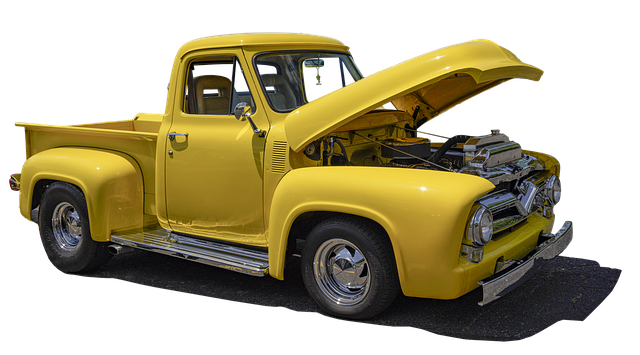
Choosing the right California vehicle registration class is a crucial step in ensuring a smooth and legally compliant ownership experience. California offers various classes tailored to different types of vehicles, each with specific requirements. The primary factor driving this classification is the Vehicle Identification Number (VIN) verification process. For instance, cars manufactured after 1980 must undergo a VIN inspection to validate their authenticity and history, which plays a pivotal role in determining the appropriate registration category.
A key consideration is whether your vehicle is new or used. New vehicles directly from a dealership typically fall under Class A or B registrations, as they meet the latest safety and environmental standards. Conversely, used cars acquired through private sales might require Class C or D, depending on their age and condition. It’s worth noting that older vehicles often necessitate more rigorous VIN verifications, especially when transferring ownership to ensure the vehicle’s history is accurately represented. Mobile VIN verifiers can facilitate this process by enabling inspections at the convenience of the owner, enhancing accessibility.
Additionally, specific vehicle types have dedicated registration classes. Motorhomes and recreational vehicles, for example, are registered separately due to their unique construction and operational requirements. Similarly, classic or antique cars may be eligible for special considerations, allowing owners to register them with reduced fees or through alternative channels. These specialized classes reflect the state’s recognition of diverse automotive needs, ensuring that vehicle registration aligns with both legal mandates and individual circumstances.
Submit Application and Pass Inspection: Step-by-Step Guide

To register your car in California, you’ll need to submit an application and pass a vehicle inspection. This process involves several steps designed to ensure the safety and legitimacy of all vehicles on California roads. Here’s a detailed guide to help you navigate this crucial phase.
Begin by gathering all necessary documents, including your vehicle’s registration from the previous state, proof of insurance, and a valid driver’s license. Next, fill out Form DV-140, which is the Application for Title and Registration. You can obtain this form online or in person at a California Department of Motor Vehicles (DMV) office. Ensure all information is accurate and complete, particularly the Vehicle Identification Number (VIN). VIN verification is a critical component of the registration process, ensuring that the vehicle matches the details on record.
Schedule or arrange for a VIN inspection, which can be done at a certified DMV location or through a mobile vin verifier. A mobile vin inspection service sends a technician to your location, streamlining the process and saving you time. During the inspection, the technician will verify the VIN by checking against national databases to ensure it matches the vehicle’s make, model, year, and other specifics. This step is vital for accurate registration and preventing fraud. Once passed, the inspector will issue a certificate of inspection, a key document for completing your registration.
After passing the VIN inspection, submit your application along with all required documents at a DMV office or through their online portal. Be prepared to present your vehicle for an additional safety inspection if needed. Upon approval, you’ll receive your California vehicle registration and license plates, officially registering your car in the Golden State.
Understand Post-Registration Responsibilities and Renewals

After successfully registering your vehicle in California, there are several key responsibilities you must understand and fulfill to maintain legal compliance and ensure a smooth ownership experience. This includes recognizing the importance of regular renewal processes and adhering to specific post-registration obligations. One crucial aspect often overlooked is the ongoing requirement for accurate Vehicle Identification Number (VIN) verification, which can be efficiently managed through a mobile VIN verifier or inspection service.
In California, vehicle registration renewals are typically required annually, ensuring your car’s documentation remains current. During each renewal, you’ll need to provide updated information and possibly proof of insurance and emissions compliance. It’s during these periodic checks that proper VIN verification becomes paramount. This process confirms the vehicle’s identity and historical data, including any previous ownership changes and recall statuses. By utilizing a mobile VIN inspection service, you can conveniently verify your car’s VIN at any time, ensuring all records align accurately with California’s database.
Beyond annual renewals, there are specific situations that necessitate immediate attention. For instance, if you sell your vehicle, it’s your responsibility to inform the California Department of Motor Vehicles (DMV) and complete a transfer of ownership, which includes accurate VIN documentation. Additionally, if your car is involved in an accident or requires major repairs, proper record-keeping is essential. A mobile VIN verifier can play a pivotal role here by quickly assessing the vehicle’s history, identifying any outstanding issues, and enabling prompt action to rectify discrepancies. By staying proactive with these post-registration tasks, California vehicle owners can avoid potential legal pitfalls and ensure their cars remain in good standing with the state’s regulatory bodies.
By meticulously preparing the required documentation, locating your vehicle’s VIN for verification, selecting the appropriate California vehicle registration class, and adhering to post-registration responsibilities, you can seamlessly register your car in California. The process involves a detailed step-by-step guide, from submitting applications to passing inspections. Key takeaways include the paramount importance of accurate VIN verification throughout. This authoritative article equips readers with the knowledge needed to navigate this procedure confidently, ensuring compliance and peace of mind.