

Registering a car in California is a vital step for new owners, ensuring legal compliance and access to key services. However, navigating the process can be daunting, with many unaware of the specific requirements and steps involved. This comprehensive guide aims to demystify the registration procedure, offering expert insights tailored to the Golden State’s regulations. We’ll detail each step, from gathering essential documents to utilizing reliable tools like the DMV VIN verifier, ensuring a seamless and stress-free experience for California car owners.
- Prepare Necessary Documents for Car Registration
- Visit Your Local California DMV Office
- Verify Vehicle Identity with DMV VIN Verifier
- Complete the Registration Application Process
- Pay Car Registration Fees and Receive License Plate
Prepare Necessary Documents for Car Registration

To register your car in California, you’ll first need to gather all the essential documents. This process is designed to ensure vehicle safety and identity verification, with the California Department of Motor Vehicles (DMV) playing a crucial role. One vital step in this process involves utilizing a DMV VIN verifier, which can be done both online or through mobile VIN verification|REG 31|out-of-state|California DMV|vehicle verifier|smog certification|chain of ownership|fleet registration|nonresident vehicle|title transfer|emissions label|registration delay|licensed verifier|document stack|odometer mileage|safety label|CHP inspection|use tax|weight certification|California title services.
A Vehicle Identification Number (VIN), unique to each car, serves as its fingerprint. It’s essential for accurate vehicle registration and history tracking. For instance, when using a mobile vin verifier app, you simply input your VIN to access detailed information such as the vehicle’s make, model, year, and even previous owners. This data is then compared against DMV records to confirm the car’s identity. The online process involves visiting the official DMV website, where you’ll find dedicated sections for VIN inspection and verification.
In addition to the VIN verifier, other required documents include proof of insurance, a completed Application Form (DMV form 140), and payment for registration fees. It’s important to ensure all information is accurate and current, as any discrepancies may delay or even prevent registration. For instance, if you’re transferring ownership, both the seller and buyer must be present at the DMV with valid identification to complete the transaction. By following these steps and utilizing available tools like mobile vin verification services, you’ll be well on your way to successfully registering your vehicle in California.
Visit Your Local California DMV Office

Visiting your local California DMV office is a crucial step in registering your car. This face-to-face interaction ensures you have all the necessary documents and provides an opportunity to clear any discrepancies before processing. The DMV offers several services, including traditional in-person visits and increasingly popular mobile vin inspection options, allowing for added flexibility. When you arrive, be prepared with key documents such as proof of ownership, vehicle registration history (if applicable), and identification.
The process involves verifying your vehicle’s unique identifier, the Vehicle Identification Number (VIN). This is typically done using a DMV VIN verifier, a tool that cross-references your provided VIN with state records to ensure its accuracy and authenticity. It’s important to ensure your VIN matches the one on official documents, as mismatches can delay registration. For those unable to visit in person, mobile vin verification services offer a convenient alternative, allowing you to complete this critical step remotely.
If issues are found during the verification process, address them promptly. Common problems include incorrect mileage, outstanding warrants, or discrepancies between the vehicle’s age and reported condition. Correcting these before proceeding is essential. Once all checks are clear, your DMV agent will guide you through the registration process, which includes paying the required fees and setting preferences for future communications and reminders.
Remember, proper documentation and accurate information are key to a smooth registration experience. Leveraging available tools like mobile vin inspection can save time and hassle. By following these steps and utilizing the resources at your disposal, including the DMV’s VIN verifier, you’ll be well on your way to legally registering your vehicle in California efficiently.
Verify Vehicle Identity with DMV VIN Verifier

Verifying the identity of your vehicle using a DMV VIN Verifier is a crucial step in the car registration process in California. This step ensures that you’re providing accurate information about your vehicle, which is essential for legal and safety reasons. The California Department of Motor Vehicles (DMV) offers a dedicated tool called the VIN Verifier, designed to cross-reference the Vehicle Identification Number (VIN) against its database to confirm the vehicle’s authenticity.
When utilizing a mobile VIN inspection or verification service, you benefit from convenience and efficiency. These services allow you to perform the VIN check right from your smartphone or computer, eliminating the need for an in-person visit to a DMV office. This is particularly beneficial for those who reside in remote areas or have busy schedules, making it a practical solution for many California residents. The process typically involves inputting the VIN into an online platform or app, which then communicates with the DMV’s system to return matching vehicle data.
It’s important to understand that a successful VIN inspection is contingent on the accuracy of the information provided. Any discrepancies found during this stage could lead to delays or issues in registering your vehicle. Therefore, it’s advisable to double-check all details against your car’s documentation before initiating the VIN verification process. For instance, ensure that the make, model, year, and other specifications match precisely what is listed on your title and registration documents. This meticulous approach will help ensure a smooth transition during California vehicle registration.
Complete the Registration Application Process

To complete the registration application process for a car in California, you’ll need to gather essential documents and pass several key steps. First, obtain an accurate Vehicle Identification Number (VIN) inspection. The DMV offers this service, but many Californians prefer using a mobile VIN verifier for convenience. These tools cross-reference your vehicle’s VIN with official databases to ensure it’s not stolen or has any outstanding issues, such as outstanding loans or defects.
Next, visit the California DMV website to initiate the registration process online. You’ll need your driver’s license, proof of insurance, and a valid mobile VIN verification from one of the state-approved mobile VIN verifiers. If you opt for a traditional VIN inspection at a DMV center, ensure you bring the completed registration application form along with all required documents. Once your vehicle passes the VIN inspection, you can proceed to pay the registration fee. This fee varies based on your vehicle’s age and type, so check the official DMV website for up-to-date rates.
After processing your application and payment, the DMV will issue a registration certificate. Keep this document in your vehicle at all times, as it’s legally required for proof of registration when driving. Many Californians opt to keep their registration documents digitally through the DMV’s online portal for easy access and record-keeping. Remember, proper documentation and timely registration are crucial to ensuring your vehicle complies with California’s regulations, avoiding fines, and maintaining a smooth ownership experience.
Pay Car Registration Fees and Receive License Plate
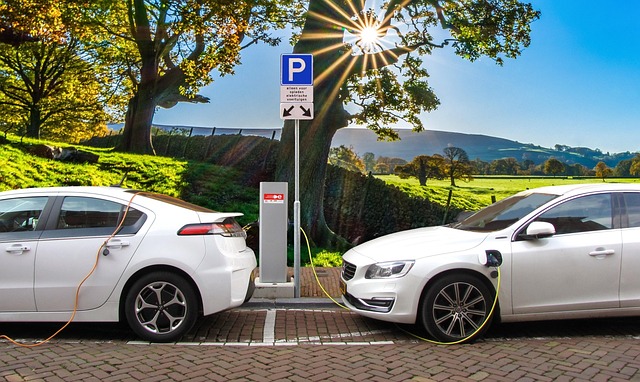
To complete the registration process in California, you must pay the associated car registration fees. These fees vary based on vehicle type, age, and other factors. You can typically make this payment online through the California DMV’s website or in-person at a local DMV office. Once your payment is processed, it’s time to receive your license plates. In California, these plates are issued by the DMV and are permanently affixed to your vehicle during a VIN (Vehicle Identification Number) inspection.
A crucial step in this process is ensuring accurate VIN verification. The DMV offers both in-person and mobile VIN inspection services. During a mobile VIN inspection, a trained professional comes to you—this can be particularly convenient if you’re unable to visit a DMV office or are dealing with a remote vehicle location. Using advanced technology, these inspectors confirm the vehicle’s identity by cross-referencing its unique VIN against state records, ensuring that your car is genuine and eligible for registration.
After successfully completing the VIN inspection, the inspector will issue your license plates. These plates must be displayed on your vehicle at all times while it’s operated on California roads. Properly registered vehicles enjoy several benefits, including legal compliance, access to public parking and highways, and potential insurance discounts. It’s important to remember that timely registration renewal is also crucial; late fees apply after the expiration date.
By meticulously preparing the required documents, visiting your local California DMV office, verifying your vehicle’s identity with a DMV VIN verifier, completing the registration application, and paying the necessary fees, you can successfully register your car in California. This straightforward process ensures that your vehicle is legally recognized and you receive the corresponding license plate. Leveraging the DMV VIN verifier is a crucial step to ensure the accuracy of your vehicle’s information, making the entire registration experience efficient and secure.