
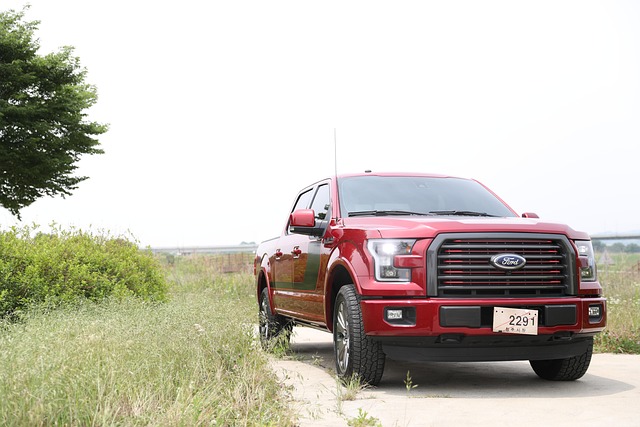
Looking to register your car in California? This comprehensive guide walks you through the process step-by-step. First, understand the state’s unique car registration requirements for various vehicle types. Next, gather essential documents for a seamless VIN (Vehicle Identification Number) verification process. Learn how to perform this critical check and select the appropriate registration type. Finally, discover how to pay fees, submit your application, and receive your new license plate. Master the art of California car registration with our expert tips on VIN verification.
- Understand California Car Registration Requirements
- Gather Necessary Documents for VIN Verification
- Perform Vehicle Identification Number (VIN) Check
- Select A Registration Type and Pay Fees
- Submit Application and Receive License Plate
Understand California Car Registration Requirements

Before registering your car in California, it’s crucial to understand the state’s specific requirements for vehicle identification number (VIN) verification. The California Department of Motor Vehicles (DMV) mandates a rigorous process to ensure the accuracy and authenticity of all vehicles on its roads. This includes verifying the VIN, which is a unique code that identifies your car’s make, model, and year.
A key aspect of this process involves utilizing reliable methods such as mobile VIN verification or hiring a mobile VIN inspector. These services provide on-demand checks, allowing you to confirm your car’s details remotely. This modern approach streamlines the registration procedure, making it more convenient for California residents. By adhering to these guidelines and employing tools like mobile VIN verifiers, you can navigate the registration process smoothly and ensure compliance with state regulations.
Gather Necessary Documents for VIN Verification

Before registering your car in California, make sure you have all the required documents ready for a smooth VIN (Vehicle Identification Number) verification process. This is a crucial step in the registration procedure as it ensures the vehicle’s authenticity and history are accurately checked. You’ll need to gather important papers such as the title or registration certificate from the previous state where the car was registered, along with any applicable bill of sale documents.
Additionally, for a quicker and more convenient process, many California residents opt for a mobile vin inspection or vin inspection service, allowing them to have their vehicle’s VIN verified on-site. This is especially beneficial when purchasing a used car, as it provides peace of mind and saves time compared to traditional methods. Ensure all documents are up-to-date and accurate to avoid delays during the registration process.
Perform Vehicle Identification Number (VIN) Check
Before registering your car in California, it’s crucial to perform a Vehicle Identification Number (VIN) check. This step is essential for verifying the vehicle’s history and ensuring it meets all legal requirements. A VIN inspection helps to uncover any issues related to ownership, accidents, or outstanding loans, which could delay or prevent registration.
Consider opting for a mobile VIN verification service, allowing you to complete this process conveniently. These services send a specialist to your location for a quick and accurate check, ensuring a smooth registration experience. With the help of advanced technology, they can provide immediate access to detailed vehicle information, making it an efficient alternative to traditional inspection methods.
Select A Registration Type and Pay Fees

When registering your car in California, the first step is to select the appropriate registration type based on your vehicle’s classification and use. Different types of vehicles require specific licensing fees. For example, standard passenger cars have a different fee structure than commercial vehicles or motorcycles.
After determining your vehicle category, it’s time to pay the associated fees. California offers various payment methods, including online, in-person at a DMV office, or by mail. One crucial step during this process is completing a Vehicle Identification Number (VIN) verification. This involves using a reliable mobile VIN verifier to ensure the accuracy of your vehicle’s details, which helps streamline the registration process and prevents fraud.
Submit Application and Receive License Plate

After completing your vehicle’s registration application and gathering all necessary documents, the next step is to submit it along with the required fees to the California Department of Motor Vehicles (DMV). This can be done either in-person at a local DMV field office or online through their secure website. Upon receipt of your application, the DMV will perform a Vehicle Identification Number (VIN) verification process, which involves cross-referencing the VIN with their records to ensure the vehicle’s authenticity and compliance with California’s regulations.
Once your VIN inspection is successfully completed, the DMV will issue you a license plate and register your car. You’ll typically receive these through mail delivery or, in some cases, you can opt for a mobile vin verifier service that enables you to obtain your plates instantly at a designated location. This convenient option, often provided by third-party companies, allows for faster access to your new registration and license plate without the need to visit a DMV office.
Registering a car in California involves understanding specific requirements, gathering essential documents for VIN verification, conducting a vehicle identification number (VIN) check, selecting the appropriate registration type, and paying associated fees. Once these steps are completed, you’ll submit your application and receive your license plate, ensuring your vehicle is legally registered and ready to hit the road. Remember, a thorough VIN verification process is crucial for a seamless registration experience.