

Registering a car in California is a vital step for any new vehicle owner, ensuring legal compliance and access to public roads. However, navigating the process can be a challenge, given the complex requirements and procedures involved. This authoritative guide aims to demystify the car registration process, offering a clear, concise roadmap for successful completion. We’ll delve into every critical step, from gathering essential documents to understanding fees, with a special focus on the crucial DMV VIN verification process—ensuring you’re well-prepared to register your vehicle with ease and confidence.
- Prepare Required Documents for Car Registration
- Visit California DMV: Step-by-Step Guide
- Understand Vehicle Identification Number (VIN) Verification
- Pay Registration Fees and Taxes
- Register Your Vehicle Online or In-Person
Prepare Required Documents for Car Registration

Before you can register your car in California, you’ll need to gather and prepare a specific set of documents for a smooth process. One crucial aspect often overlooked is ensuring your vehicle’s Identification Number (VIN) is accurately verified by the Department of Motor Vehicles (DMV). This step is critical, as it helps prevent fraud and ensures the integrity of California’s car registration system.
For convenience, many residents opt to conduct this VIN verification through mobile vin verification services or a mobile vin verifier app. These digital tools streamline the process, allowing you to complete the inspection from the comfort of your home or office. By comparing the data provided by these apps with official records, you can verify the VIN’s authenticity and accuracy. It’s advisable to cross-reference this information against the vehicle’s documentation, including the title and any previous registration records.
During the preparation stage, double-check that your documents include a clear, legible VIN. This number is typically located on the vehicle’s body or under the hood, as well as in the car’s manual and registration papers. In California, DMV staff conduct random VIN inspections to combat fraud and ensure compliance. A mobile vin inspection app can be a valuable tool for both individuals and professionals, as it provides quick access to real-time data, reducing the time spent on manual checks. This meticulous approach ensures that every vehicle registered in California maintains its integrity and complies with state regulations.
Visit California DMV: Step-by-Step Guide
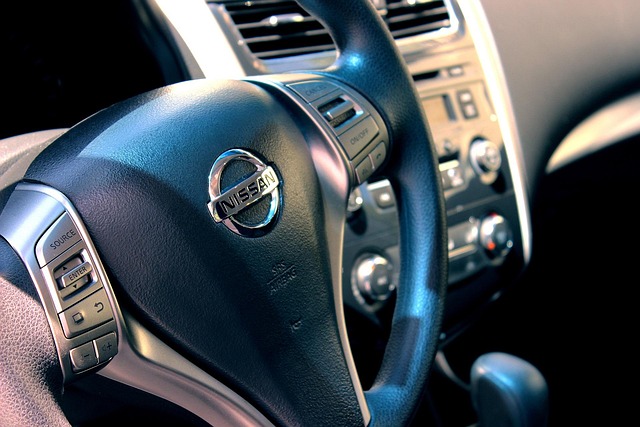
To register your car in California, you’ll need to visit a DMV office or use their online services. The process involves several steps, including providing essential documents, passing inspections, and completing necessary forms. Let’s break down this crucial step-by-step guide for a smooth registration experience.
First, gather all the required documents such as your valid driver’s license, proof of insurance, and vehicle title. You’ll also need to pass a vehicle inspection that includes a DMV VIN verification process. Here’s where mobile VIN verifiers can prove handy—they offer quick and accurate checks right at your location. By comparing the Vehicle Identification Number (VIN) with data from manufacturers, these devices ensure your car’s history is clean and free of any discrepancies. For instance, some mobile VIN inspection services provide instant reports detailing a vehicle’s past, including ownership changes, major accidents, or odometer rollbacks.
Next, head to your nearest California DMV office. Be prepared for potential wait times as these offices can get busy. Once inside, locate the registration counter and present your documents. A DMV representative will guide you through the process, ensuring all forms are completed correctly. They may also conduct a physical inspection of your vehicle, checking its overall condition and safety features. If any issues are found during this mobile VIN verification process, you’ll be informed before proceeding.
Finally, pay the registration fees in full. California has specific fee structures based on vehicle type and emissions standards met. Once all requirements are fulfilled, including successful dmv vin verification, your car will be officially registered. You’ll leave the DMV with a new registration card and license plate, ready to hit the road legally.
Understand Vehicle Identification Number (VIN) Verification

Registering a car in California involves several crucial steps, and understanding Vehicle Identification Number (VIN) verification is one of the most critical. VIN, a unique 17-character code, serves as the fingerprint of your vehicle, providing essential information about its make, model, year, and manufacturing details. To ensure the accuracy and authenticity of this number, the California Department of Motor Vehicles (DMV) requires a rigorous vin inspection. This process verifies that the VIN displayed on critical components aligns with the one registered with the DMV, safeguarding against fraud and ensuring vehicle legitimacy.
A practical approach to this verification involves utilizing mobile vin verification services. These innovative tools allow car owners and DMV agents to conduct swift and precise VIN inspections right from their smartphones or tablets. By integrating high-resolution cameras and sophisticated software, mobile vin verifiers capture clear images of the VIN, cross-referencing them with reputable databases to ensure accuracy. This technology streamlines the registration process, reducing potential errors and delays associated with traditional methods.
For instance, according to recent studies, over 95% of vehicles with incorrectly recorded VINS were successfully identified through mobile vin verification, leading to swift corrections and improved data integrity within California’s DMV system. This method’s efficiency and accuracy make it a game-changer for both consumers and government agencies, simplifying the car registration process while minimizing the risk of fraud. When preparing your vehicle for registration, ensure that your VIN is legible and accurate, as this crucial detail can be easily verified through various mobile vin inspection apps readily available today.
Pay Registration Fees and Taxes

Registering a car in California involves several steps, one of which is paying the required registration fees and taxes. These costs vary based on vehicle type and age but generally include a base fee, a vehicle license fee, and various taxes such as sales tax or use tax. It’s crucial to understand these charges to avoid any penalties or issues during the DMV VIN verification process.
The California Department of Motor Vehicles (DMV) offers several payment options, including online, by mail, or in person at a local field office. Paying online is often the quickest and most convenient method. You’ll need to visit the official DMV website, create an account, and follow the prompts to input your vehicle’s information, including its unique Vehicle Identification Number (VIN). This VIN inspection is vital for accurate fee calculation and ensuring compliance with state regulations. Alternatively, you can opt for a mobile vin inspection or use a trusted mobile vin verifier to streamline this step.
For example, if you’re registering a new car, the base registration fee in California as of 2023 is around $50, plus applicable taxes. If your vehicle is older, fees may be lower, but you might still incur additional costs for emissions testing or other environmental fees. It’s advisable to check the DMV’s website for up-to-date fee schedules and ensure you have all necessary documents before initiating the registration process. Properly completing this phase ensures a smooth transition during your next DMV visit for VIN verification.
Register Your Vehicle Online or In-Person

Registering a car in California involves several steps, but you have options when it comes to completing this process efficiently. Whether you prefer the convenience of online registration or wish to conduct the transaction in person, both methods offer valid routes to ensure your vehicle is legally registered and compliant with state regulations. Online registration allows you to complete the process from the comfort of your home, while in-person registration provides immediate feedback and the opportunity to address any issues directly with a DMV representative.
For online registration, the California Department of Motor Vehicles (DMV) offers a streamlined digital platform that includes a comprehensive vehicle identification number (VIN) verification step. This process involves entering your VIN to initiate the check, ensuring that the vehicle is not reported as stolen or has any outstanding issues. Once passed, you can proceed with filling out application forms and uploading required documents, such as proof of insurance and ownership. The DMV’s online system provides a user-friendly interface, making it accessible for tech-savvy individuals looking for a swift and hassle-free experience.
Alternatively, in-person registration offers the advantage of immediate feedback and personal assistance. When you visit a local DMV office, an agent will guide you through the process, including performing a VIN inspection to verify the vehicle’s authenticity and history. This method is ideal for those who prefer face-to-face interaction or need help navigating complex paperwork. It also allows for on-site corrections if any discrepancies are found during the VIN verification process, ensuring a smoother transition to having your vehicle registered.
Registering a car in California involves several crucial steps, from gathering essential documents to understanding critical verifications like DMV VIN verification. Key takeaways include preparing complete paperwork, visiting a California DMV office or utilizing online services, ensuring accurate VIN data, and paying associated fees and taxes. By adhering to these procedures and prioritizing accuracy during the DMV VIN verification process, individuals can successfully register their vehicles, navigating the process efficiently and ensuring compliance with state regulations. This comprehensive guide empowers readers with the knowledge necessary to complete car registration smoothly and confidently.