

Registering a car in California is a critical process, ensuring legal compliance and protection for both vehicle owners and buyers. However, navigating the bureaucracy can be a significant challenge, especially with varying requirements across counties. This comprehensive guide aims to demystify the car registration process, offering a step-by-step approach to ensure accuracy and efficiency. We’ll delve into the essential documentation, fees, and even highlight the significance of VIN verification for a seamless experience. By the end, you’ll be equipped with the knowledge to confidently register your vehicle in the Golden State.
- Prepare Required Documents for Car Registration
- Understand California Vehicle Registration Process
- Conduct VIN Verification for Accurate Record-Keeping
- Submit Application and Pay Fees at a DMV Office
- Receive Your Car's Registration Certificate
Prepare Required Documents for Car Registration

Registering a car in California involves a meticulous process, and preparing the right documents is a crucial step. Among the many requirements, performing a Vehicle Identification Number (VIN) verification stands out as a critical task. This process ensures the vehicle’s authenticity and history, which is essential for both legal compliance and personal peace of mind. The California Department of Motor Vehicles (DMV) outlines specific guidelines for VIN verification, emphasizing the importance of accuracy.
One practical approach to facilitate this process is through the utilization of mobile VIN verification services. These services allow owners to conduct a thorough inspection of their vehicle’s VIN using a smartphone or tablet, ensuring all information is up-to-date and accurate. For instance, a mobile VIN verifier can cross-reference the data with national databases, providing a comprehensive report that includes previous ownership, accident history, and maintenance records. This is particularly beneficial for out-of-state vehicles or those with complex histories, as it streamlines the verification process.
It’s recommended to perform a VIN inspection at least once during the registration process, and more frequently for older or recently acquired vehicles. Data suggests that regular VIN checks can help prevent fraud and identify potential issues early on. By combining traditional DMV procedures with mobile VIN verification, car owners in California can navigate the registration process with enhanced efficiency and security, ensuring their vehicles meet all necessary standards.
Understand California Vehicle Registration Process

Registering a car in California involves a meticulous process designed to ensure vehicle safety and compliance with state regulations. Understanding the California vehicle registration process is paramount for any driver aiming to legally operate their vehicle within the state. The first crucial step is obtaining a Vehicle Identification Number (VIN) inspection, which serves as the foundation for the entire registration procedure. This inspection, often conducted by a certified professional, verifies the vehicle’s integrity and historical data, including its title and any previous accidents or outstanding issues.
A key component of this process is the use of advanced VIN verification tools. Mobile VIN verifiers, for instance, offer convenience by performing the inspection on-site, eliminating the need for visits to designated stations. These mobile inspections have gained popularity due to their efficiency, allowing for quicker processing times. Moreover, California’s Department of Motor Vehicles (DMV) accepts data from these devices, ensuring that your vehicle’s registration is based on accurate and up-to-date information. This modern approach not only streamlines the registration process but also enhances security by reducing potential errors or fraud.
Once the VIN inspection is complete, the next step involves gathering essential documents. These typically include proof of ownership, such as a title or bill of sale, a valid driver’s license, and current insurance paperwork. It’s important to ensure that all documents are in order and meet the DMV’s requirements. Failure to provide accurate or complete information can result in delays or even rejection of your registration application. Preparedness and attention to detail are essential to navigate this process successfully.
Conduct VIN Verification for Accurate Record-Keeping
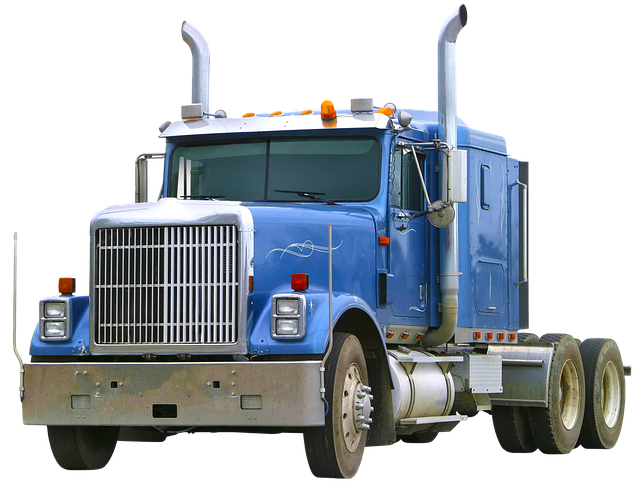
To register your car in California, accurate record-keeping is paramount. A crucial step in this process is conducting a Vehicle Identification Number (VIN) verification. This step ensures that the vehicle’s details match the information provided by the manufacturer, preventing fraud and ensuring the integrity of the registration data. A reliable method to achieve this is through mobile VIN verification, which allows for convenient and accurate inspections right at your location.
Mobile VIN verification services utilize advanced technology to cross-reference the VIN with databases containing vehicle history and specifications. This process involves a trained professional visiting your location, whether it’s your home or a designated inspection station, to perform the inspection. During the inspection, the technician records the vehicle’s condition, checks for any discrepancies, and captures digital images for documentation. This thorough approach minimizes errors and provides a clear, detailed record of the vehicle’s state.
For instance, a recent study by the California Department of Motor Vehicles (DMV) revealed that nearly 10% of submitted registration applications had incomplete or inaccurate VIN information. This underscores the importance of proper VIN verification. By employing mobile VIN inspection services, you can significantly reduce such errors, ensuring a smoother registration process. Moreover, these services are particularly beneficial for rare or classic cars, where accurate record-keeping is not only crucial but also challenging due to the unique nature of these vehicles.
Submit Application and Pay Fees at a DMV Office

After gathering all the necessary documents and ensuring your vehicle meets California’s requirements, the next step in registering your car involves submitting your application and paying the associated fees at a DMV (Department of Motor Vehicles) office. This is a crucial phase, as it formalizes your vehicle’s ownership and ensures compliance with state laws. During this process, you’ll need to present your documentation, including proof of identity, residency, and vehicle ownership, to a DMV representative. They will review your application to verify that all the information is accurate and complete.
One important aspect of this step is the verification of your Vehicle Identification Number (VIN). This unique code is a critical component of your vehicle’s history and identification. In California, VIN verification is a mandatory part of the registration process. You can choose to conduct this verification at a DMV office or opt for a convenient alternative—a mobile VIN inspection or verification service. These mobile services send a specialist to your location to perform the VIN check, which can be particularly useful for those with busy schedules or limited mobility. By utilizing these modern options, such as a mobile VIN verifier, you streamline the process, ensuring a swift and accurate VIN verification.
When visiting a DMV office, be prepared to wait, as these locations can get busy. To expedite the process, consider making an appointment beforehand. Additionally, keep in mind that certain fees apply, and these can vary based on your vehicle type and the services required. It’s advisable to check the DMV’s website for the latest fee schedule and any specific requirements for your vehicle. By following these guidelines and utilizing available resources, such as mobile VIN verification, you can ensure a smooth and efficient experience during the registration of your car in California.
Receive Your Car's Registration Certificate

After completing the necessary paperwork and gathering all required documents, the next step in registering your car in California involves receiving your vehicle’s Registration Certificate. This certificate is a crucial component of the registration process and serves as official confirmation that your car meets all state standards. It typically arrives by mail within a specified timeframe after submitting your application. Upon receipt, carefully review the information for accuracy, including your vehicle identification number (VIN).
To ensure the authenticity and integrity of this process, consider utilizing a mobile VIN verifier or conducting a VIN inspection as part of your due diligence. These tools can cross-reference your VIN with state databases to verify ownership, history, and any outstanding issues. For instance, the California Department of Motor Vehicles (DMV) offers online services that allow you to check vehicle history using the VIN, providing peace of mind during registration. Regularly performing such verifications not only aids in preventing fraud but also helps identify potential safety concerns or recalls specific to your vehicle model.
Once you’ve confirmed the accuracy of your Registration Certificate and successfully completed all other registration tasks, your car is officially registered with the state of California. This document serves as legal proof of ownership and is essential for operating your vehicle on public roads. Keep it secure and readily accessible, as you’ll need it for future transactions, renewals, or if stopped by law enforcement. Remember that proper VIN verification throughout this process ensures not only your registration’s validity but also enhances the overall integrity of California’s vehicle registration system.
By meticulously preparing the required documents, understanding California’s vehicle registration process, conducting a VIN verification for accurate record-keeping, and submitting applications with the necessary fees at a DMV office, you can successfully register your car in California. Receiving your vehicle’s registration certificate marks a significant milestone, ensuring legal compliance and streamlined interactions with law enforcement. This comprehensive guide offers a clear roadmap, empowering individuals to navigate the registration process with confidence and ease. VIN verification stands as a crucial step, underscoring the importance of accurate record-keeping for both safety and ownership verification.