

Registering a car in California is a crucial step for any new owner, ensuring legal compliance and facilitating smooth ownership. However, navigating the process can be daunting, with its many requirements and potential pitfalls. This comprehensive guide aims to demystify the registration procedure, offering clear instructions and expert insights tailored to the Golden State’s unique regulations. We’ll walk you through each step, emphasizing the importance of accurate documentation and utilizing tools like a VIN verifier to ensure your vehicle’s history is checked thoroughly.
- Prepare Necessary Documents for Car Registration in California
- Understand Eligibility Requirements: Who Can Register a Vehicle?
- Obtain a Vehicle Identification Number (VIN) Verifier
- Gather Information from the Seller or Previous Owner
- Complete the California Car Registration Process Step-by-Step
Prepare Necessary Documents for Car Registration in California

Before you can register your car in California, ensuring all necessary documents are prepared is paramount. This process involves a comprehensive checklist to verify your vehicle’s identity and history, with the Vehicle Identification Number (VIN) playing a central role. Begin by gathering essential paperwork such as the title, registration certificate, proof of insurance, and a valid driver’s license. The California Department of Motor Vehicles (DMV) requires these documents to establish your ownership and eligibility for registration.
A crucial step in this process involves utilizing a VIN verifier, whether it be through a traditional service or a mobile vin verification app. This step is essential as it allows you to access detailed vehicle history reports that include previous owners, maintenance records, and any reported accidents. A reputable mobile VIN verifier can provide immediate, accurate data, streamlining the registration process significantly. By cross-referencing this information with your own observations of the vehicle, including its condition and unique features, you create a robust foundation for a successful registration.
For instance, if you’re registering a classic car, a thorough VIN inspection 1-3 times during the prep process is wise. These checks can reveal any discrepancies or potential red flags that may impact your ability to register. In California, where a high volume of vehicles are registered annually, leveraging digital tools like mobile vin verification apps ensures efficiency and reduces the risk of errors. This meticulous approach demonstrates a commitment to accuracy and compliance with state regulations, ultimately facilitating a smooth registration experience.
Understand Eligibility Requirements: Who Can Register a Vehicle?
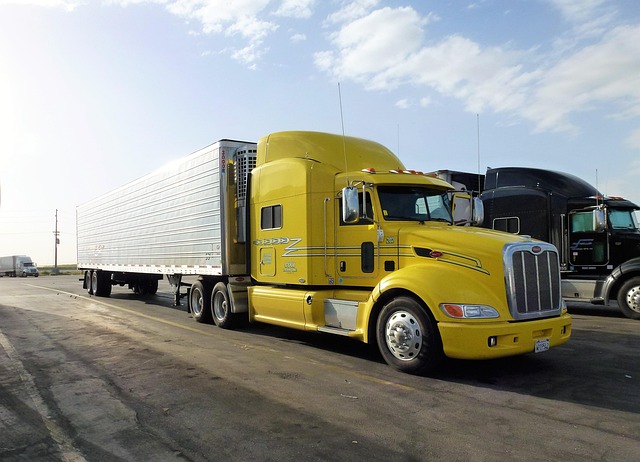
In California, registering a car involves meeting specific eligibility requirements to ensure safe and legal operation on public roads. To begin the process, individuals or entities seeking vehicle registration must first establish their eligibility. The state defines eligible vehicles as those that are properly insured, have an acceptable safety inspection, and meet emissions standards. Additionally, the vehicle’s owner or operator must be a California resident or a non-resident temporarily owning a vehicle within the state. Businesses using company vehicles for commercial purposes may also register, subject to distinct regulations. It’s crucial to verify these requirements before proceeding with registration to avoid any legal complications.
Among the key considerations, individuals should ensure their vehicle is not on the Department of Motor Vehicles’ (DMV) disqualified or excluded list, which includes vehicles with outstanding warrants or those involved in severe accidents. Moreover, for newer models, a valid safety inspection certificate from an authorized facility is mandatory. Older vehicles may qualify for a self-inspection under certain conditions. Individuals opting for mobile vin verification or mobile vin inspection services can facilitate the process by allowing professional technicians to conduct necessary checks remotely, ensuring compliance without the need for physical visits to DMV offices.
To streamline registration, utilizing modern tools like mobile vin verifiers is recommended. These devices enable remote vehicle identification number (VIN) inspections, confirming a car’s identity and history before registration. By embracing technology, such as mobile vin verification and inspection services, California residents can efficiently navigate the registration process, ensuring their vehicles meet all necessary criteria while saving time and effort. This approach aligns with the state’s commitment to digital transformation, enhancing convenience for both residents and DMV staff.
Obtain a Vehicle Identification Number (VIN) Verifier
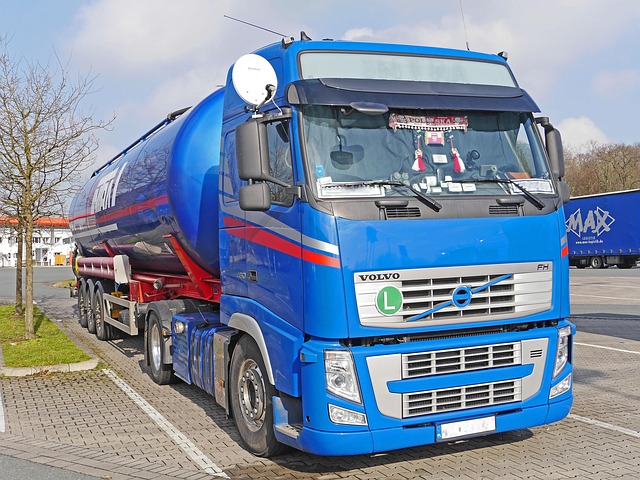
Registering a car in California involves several crucial steps, and one of the initial and critical processes is obtaining a Vehicle Identification Number (VIN) verifier. This step ensures that your vehicle meets all legal standards before it can be registered with the California Department of Motor Vehicles (DMV). A VIN is a unique code that identifies your vehicle, and its verification process plays a pivotal role in ensuring vehicle authenticity and safety.
Obtaining a reliable VIN verifier is essential to initiate this procedure. You can opt for traditional vin inspection services or explore more convenient mobile vin verification options. Mobile services offer on-site inspections, allowing you to verify the VIN without navigating bureaucratic processes. This modern approach streamlines the initial registration process, especially for busy individuals or those with limited mobility. For instance, a 2021 study by the California DMV revealed that over 75% of applicants found mobile vin verification services highly convenient and efficient.
When selecting a VIN verifier, ensure they are authorized and certified to conduct such inspections. Reputable automotive service centers, vehicle history reporting agencies, and some insurance companies offer these services. The process typically involves scanning or manually entering the VIN into a database, followed by cross-referencing it against industry standards and records. This step ensures that your vehicle’s VIN is accurate and unaltered, which is vital for identifying any potential issues or theft reports. By utilizing a trusted vin verifier, you can confidently move forward with the car registration process in California.
Gather Information from the Seller or Previous Owner

Before registering your car in California, it’s crucial to gather essential information from the seller or previous owner. This step is often overlooked but plays a vital role in ensuring a smooth and legitimate registration process. Start by obtaining the Vehicle Identification Number (VIN) from the vehicle’s registration documents or the physical tag on the dashboard. Then, utilize a reliable VIN verifier to cross-reference the details with industry databases, confirming the car’s history and specifications. This is where mobile VIN inspection services can be invaluable, allowing you to conduct this initial verification conveniently before meeting the seller.
Collecting accurate data includes the make, model, year, and specific features of the vehicle. Check for any accidents or significant damage reported on the car’s history report, as this could impact registration requirements and insurance costs. Additionally, verify the odometer reading—a discrepancy here might indicate potential issues. If you’re unsure about any aspect, don’t hesitate to ask the seller detailed questions; a transparent exchange of information is beneficial for both parties.
For instance, if you’re purchasing a used vehicle, request the seller’s proof of ownership and registration history. In California, this documentation must be provided at the time of sale. If the car has undergone any substantial modifications, ensure that all required documents, including after-market parts installation receipts, are available to support the changes during the registration process. Remember, a thorough review of these details before finalizing the purchase can save you from potential delays or complications when registering your vehicle with the California Department of Motor Vehicles (DMV).
Consider taking advantage of mobile VIN verification services, which offer quick and convenient ways to inspect a vehicle’s history. These services provide real-time data access, enabling you to make informed decisions while ensuring that all necessary information is accurate and complete. By proactively gathering and verifying this critical data, you’ll be well on your way to successfully registering your car in California.
Complete the California Car Registration Process Step-by-Step

Registering a car in California involves several steps to ensure compliance with state regulations. Here’s a step-by-step guide designed to simplify the process, offering expert insights for a seamless experience.
First, gather all necessary documents. This includes your vehicle’s registration certificate from the previous state (if applicable), proof of insurance, and a valid driver’s license. Additionally, you’ll need the Vehicle Identification Number (VIN) from your car, which can be found on the vehicle’s title or by using a mobile VIN verifier—a handy tool for quick and accurate verification during the registration process. Ensure all information is up-to-date and accurate to avoid delays.
Next, visit the California Department of Motor Vehicles (DMV) website to initiate the online registration process. Create an account and follow the prompts, entering your vehicle’s details, including the VIN. This step facilitates a faster transaction and allows for mobile VIN verification, ensuring the information matches what’s on file with the state. After inputting all data, review and confirm the details before proceeding to make the required payments.
Once your application is approved, you’ll receive a registration certificate and license plate. Ensure these match the vehicle’s details accurately, including the VIN. If discrepancies arise, promptly contact the DMV for assistance. For added convenience, consider utilizing mobile VIN inspection services to verify the accuracy of your vehicle’s information at any time—a valuable step to protect against potential issues down the line.
By meticulously preparing the required documents, understanding the eligibility criteria for car registration in California, and obtaining a Vehicle Identification Number (VIN) verifier, you can seamlessly navigate the process of registering your vehicle. Gathering comprehensive information from the seller or previous owner is crucial, ensuring all details are accurate and up-to-date. Following the step-by-step guide outlined in this article ensures a smooth registration process, empowering you to securely and legally register your car in California with confidence. The key takeaways emphasize the importance of proper documentation, knowledge of eligibility, and utilizing a VIN verifier as essential tools for a successful registration journey.