

Registering a car in California is not just a bureaucratic formality; it’s a crucial step for any new or existing vehicle owner, ensuring legal compliance and access to public roads. However, the process can be confusing, especially with evolving regulations. This article guides you through the intricate steps involved, offering an authoritative perspective on how to register your vehicle seamlessly. We’ll delve into every aspect, from gathering essential documents to navigating the California DMV’s vin verification process, ensuring a stress-free experience.
- Prepare Required Documents for Car Registration
- Visit California DMV: Step-by-Step Guide
- Verify Vehicle Identity with DMV VIN Verification
- Pay Registration Fees and Taxes
- Receive Your California License Plate and Registration Card
Prepare Required Documents for Car Registration

Before you can register your car in California, it’s crucial to prepare all the required documents, ensuring a smooth process with the DMV (Department of Motor Vehicles). One critical step is to undergo a DMV VIN verification, which involves a thorough inspection of your vehicle’s unique identification number (VIN). This process not only verifies the authenticity of your car but also plays a significant role in establishing its history and safety standards.
For instance, when conducting a vin inspection, California’s DMV checks for any reported accidents, outstanding loans, or thefts linked to the VIN. They also verify that the vehicle meets all applicable emissions and safety standards. To facilitate this process, consider utilizing mobile vin verification services, which offer on-site inspections conducted by licensed professionals. These experts can perform a mobile vin inspection at your convenience, whether at home, work, or even during a test drive, ensuring unparalleled accessibility.
Gathering the necessary paperwork is a critical part of the preparation. You’ll need to provide documents such as proof of ownership (either a title or bill of sale), current insurance card, and a valid driver’s license. Additionally, for mobile vin verification, you may require the vehicle’s registration, a copy of its maintenance records, and any available manufacturer literature. It’s advisable to check with your local DMV office to confirm their specific requirements, as they can vary slightly depending on your location within California.
By being proactive in preparing these documents, you’ll streamline the car registration process, saving time and effort. Remember, a well-prepared set of paperwork is key to successfully navigating the DMV vin verification process, ultimately ensuring that your vehicle’s registration goes smoothly.
Visit California DMV: Step-by-Step Guide
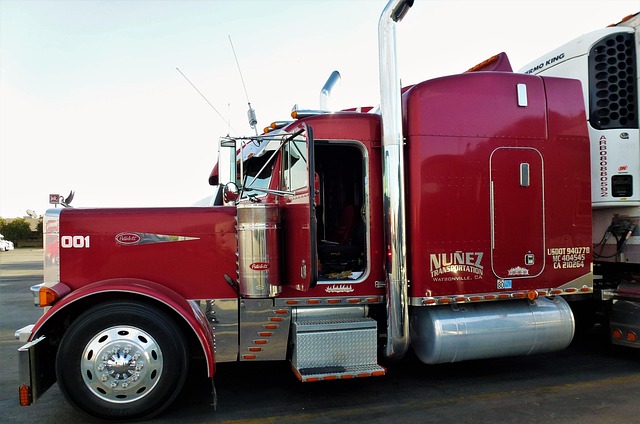
To register your car in California, the first step is to visit a California Department of Motor Vehicles (DMV) office for a thorough vehicle inspection. This process is crucial to ensure that your car meets all safety and emissions standards required by the state. During this visit, you’ll need to present several documents and pass both a visual inspection and a Vehicle Identification Number (VIN) verification.
Start by making an appointment at your nearest DMV branch. Many Californians opt for online appointments to minimize waiting times. Upon arrival, head straight to the window labeled “Vehicle Registration” or “DMV Services.” An agent will guide you through the process, which begins with verifying your identity using a valid driver’s license and proof of residency, such as a utility bill. Next, they’ll inspect your vehicle outside. This includes checking the overall condition, tires, lights, brakes, and emissions system to ensure it complies with state regulations.
If your car passes the initial inspection, the agent will then perform a DMV VIN verification, cross-referencing your vehicle’s unique VIN with their database to confirm its authenticity and recall any known issues or recalls. This step is vital, especially with the rise of mobile VIN inspection services that can verify a vehicle’s history remotely. Some Californians prefer using these mobile vin verifier apps for convenience, but a physical visit still remains the most reliable method, ensuring immediate feedback from DMV staff. Once your car clears all checks, you’ll be on your way to completing the registration process with the necessary documents and fees.
Verify Vehicle Identity with DMV VIN Verification

Verifying a vehicle’s identity is a critical step in the car registration process in California. The Department of Motor Vehicles (DMV) requires a thorough check to ensure that the vehicle matches the information on record and to combat theft and fraud. One efficient method for this verification is through DMV VIN (Vehicle Identification Number) verification, which plays a pivotal role in ensuring the legitimacy of your vehicle.
The process involves entering your vehicle’s unique VIN into the DMV system, which then cross-references it against their databases. This check ensures that the make, model, year, and other specifications align with what is registered under your name. It’s worth noting that a matching VIN is crucial; any discrepancies could lead to registration delays or even rejection. Many Californians opt for mobile VIN verification services, which offer convenience by allowing inspections at your location, saving time and effort compared to traditional DMV visits.
For instance, consider a scenario where a vehicle owner is transferring their car’s registration to a new address. The mobile VIN verifier, an innovative tool in this process, scans the VIN and provides instant feedback on the vehicle’s status. This technology ensures that the DMV has accurate data, streamlining the registration and preventing potential issues down the line. With many online resources and services available, including dedicated mobile vin inspection apps, ensuring your car’s identity is as easy as entering a few digits into a secure platform.
Pay Registration Fees and Taxes
Registering a car in California involves several crucial steps, and one of the key aspects is paying the registration fees and taxes. The California Department of Motor Vehicles (DMV) requires vehicle owners to pay both registration fees and various taxes as part of the licensing process. These charges are designed to fund road maintenance, public safety, and other transportation-related initiatives.
The registration fee in California typically includes a base charge and additional costs based on the vehicle’s type and characteristics. For example, higher emissions vehicles or those with specialized features may incur surcharges. It’s essential to understand these fees and their breakdown, as they can vary from year to year. The DMV offers detailed information on its website, outlining the specific amounts and any applicable discounts or waivers. One convenient service available is the mobile VIN verification process, where you can utilize a mobile vin verifier to ensure your vehicle’s authenticity before registering, making the procedure more efficient.
In addition to registration fees, California residents must pay relevant taxes, such as sales tax and use tax. These taxes are calculated based on the vehicle’s purchase price or assessed value, whichever is higher. It’s advisable to gather all necessary documents, including proof of purchase and ownership, to facilitate a smooth tax calculation process. The DMV provides tools and resources to help estimate these taxes accurately. For instance, their online registration system may offer a built-in calculator, ensuring you’re prepared with the correct payment amount.
When preparing for your car’s registration, consider using mobile vin verification services for added convenience and peace of mind. These services allow you to verify your vehicle’s identity and history digitally, which can be particularly useful if you’re buying a used car. By incorporating these practical steps and leveraging available technology, such as mobile vin inspection tools, you’ll ensure a seamless process when paying registration fees and taxes in California.
Receive Your California License Plate and Registration Card
After completing your California vehicle registration application at the DMV or online, the next step is to receive your license plate and registration card. This crucial phase marks the official recognition of your vehicle in the Golden State. Once approved, you’ll be equipped with unique California plates that serve as both identification and a symbol of your adherence to safety standards.
Your package will include two key components: the license plate and the Registration Card. The license plate, prominently displaying your vehicle’s identification number (VIN), is a vital part of your car’s legal identity in California. It’s designed to be easily readable, ensuring that your VIN can be quickly verified during routine inspections. The state employs various methods for this dmv vin verification process, including mobile vin inspection services that allow for convenient and accurate checks. These verifiers ensure the plate matches the registered vehicle and are crucial for maintaining the integrity of California’s registration system.
Alongside the plates, your Registration Card is an official document confirming your vehicle’s registration status. It contains critical information such as your VIN, vehicle make and model, and registration details. Keep this card secure as it serves as proof of registration during stop-and-go inspections or when addressing any administrative matters related to your vehicle. Remember, proper documentation is key to a seamless driving experience in California, ensuring your vehicle remains legally compliant throughout its operational lifecycle.
Registering a car in California involves several crucial steps, from gathering essential documents to completing DMV VIN verification and paying fees. By following these procedures diligently, individuals ensure their vehicles are legally recognized and can operate smoothly within the state. The process culminates in obtaining a California license plate and registration card, marking a significant milestone for new car owners. Moving forward, it’s paramount to retain these documents and stay informed about any updates from the DMV to maintain compliance with California’s vehicle registration regulations.