

Registering a car in California is a necessary step for any new or existing vehicle owner, yet the process can be confusing and time-consuming. With complex regulations and an ever-changing landscape of requirements, navigating the registration procedure can be daunting. This comprehensive guide aims to demystify the process, ensuring you have a smooth and stress-free experience. We’ll walk you through each step, from gathering essential documents to understanding fees, and even highlight the critical role of VIN verification in ensuring a legitimate transaction. By the end, you’ll be armed with the knowledge needed to confidently register your vehicle.
- Gather Required Documents for Car Registration in California
- Understand the Process: Steps to Register Your Vehicle
- Obtain a Clean Title and Complete VIN Verification
- Choose an Appropriate Registration Class for Your Vehicle
- Pay Registration Fees and Finalize the Registration Process
Gather Required Documents for Car Registration in California

Registering a car in California involves several crucial steps, and one of the key initial tasks is gathering all the necessary documents for a smooth process. This phase requires careful preparation to ensure you have everything required by law. Among the essential documents needed is the Vehicle Identification Number (VIN) verification, which establishes the vehicle’s identity and history. In California, this VIN verification can be conducted through mobile vin inspection services, offering convenience and efficiency.
When getting ready for car registration, owners should gather important papers such as the title certificate, proof of insurance, and a valid driver’s license. Additionally, the Vehicle Registration Application form must be completed and submitted along with a current emissions test report (if applicable). It is also critical to have accurate information regarding the vehicle’s year, make, model, and specific features, as these details are required during the VIN verification process. Many California Department of Motor Vehicle (DMV) services now accept mobile vin inspection, allowing you to verify your car’s history without visiting a DMV office.
A common pitfall many owners encounter is forgetting to bring complete and valid documentation. To avoid delays or potential issues, it is advisable to double-check every required document before starting the registration process. For instance, an incomplete emissions test report or an outdated title can lead to significant backlogs. Utilizing mobile vin verification services ensures a swift and accurate check, providing peace of mind that all necessary information is correct and up-to-date. This proactive approach simplifies car registration in California, ensuring a seamless experience for both first-time and repeat registrants.
Understand the Process: Steps to Register Your Vehicle

Registering a car in California involves several crucial steps to ensure your vehicle complies with state regulations. First, you’ll need to gather essential documents such as the Vehicle Identification Number (VIN) report, proof of insurance, and a completed application form from the Department of Motor Vehicles (DMV). Once these are ready, it’s time to initiate the registration process online or in-person at a DMV field office.
The core procedure begins with verifying your vehicle’s VIN. This unique identifier is essential for identifying your car and its history. In California, a mobile VIN verifier or mobile VIN verification service can be extremely useful as it allows you to complete this step conveniently. These services utilize advanced technology to swiftly and accurately confirm the VIN details directly from your smartphone or tablet, making the process efficient and hassle-free. After successful VIN verification, you’ll proceed with providing additional information like ownership transfer details and vehicle specifications.
During registration, ensure that all data is accurate and up-to-date. The DMV will issue a registration certificate upon completion of the process. For out-of-state residents registering a car in California, there might be additional requirements, including proof of previous state registration or a clean driving record. Engaging with a mobile VIN inspection service can facilitate this part of the journey by providing quick verifications and ensuring all paperwork is in order.
Obtain a Clean Title and Complete VIN Verification
Before registering your car in California, obtaining a clean title and completing a VIN verification is a crucial step in ensuring legal compliance and peace of mind. The process begins with verifying that the vehicle’s ownership history is clear and unencumbered. A clean title confirms that there are no outstanding loans or leases on the vehicle, which is essential for transferring ownership legally. In California, you’ll typically need to provide proof of a clean title when applying for registration.
Additionally, the Vehicle Identification Number (VIN) verification process plays a vital role in authenticating your car’s identity and history. This involves confirming that the VIN on the vehicle matches the one listed on official documents like the title and certificate of origin. A mobile VIN inspection or verifier can streamline this step by allowing you to get real-time results while you’re at a California Department of Motor Vehicles (DMV) office. For instance, many mobile apps now offer remote VIN checks, making it easier to verify your car’s history before and during the registration process.
It’s important to note that regular VIN inspections are not just for new purchases. In fact, California law requires certain types of transactions, such as selling or transferring a vehicle, to include a valid VIN verification. Data from the DMV suggests that areas with higher rates of mobile VIN inspections tend to have fewer registration issues and quicker processing times, demonstrating the value of this step in keeping your car registration process smooth and efficient.
Choose an Appropriate Registration Class for Your Vehicle
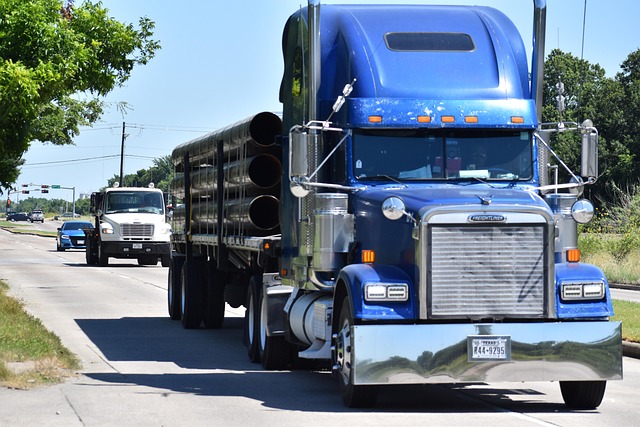
Choosing the right registration class is a crucial step when registering your vehicle in California. The state’s Department of Motor Vehicles (DMV) categorizes vehicles into various classes based on their type, use, and unique identification number—the Vehicle Identification Number (VIN). This process ensures fair and consistent fees across different types of vehicles. For instance, passenger cars, trucks, motorcycles, and recreational vehicles each have distinct registration rates.
One key aspect to consider is the availability and convenience of mobile VIN inspection and verification services. Many reputable companies now offer these services, allowing you to complete the initial VIN verification step from the comfort of your home or office. A mobile vin verifier can perform this critical task by remotely checking the vehicle’s history through the VIN, ensuring it has no outstanding issues or theft reports. This modern approach streamlines the registration process, especially for busy individuals or those with limited mobility.
In California, the specific classes and associated fees are designed to reflect the environmental impact and road usage of different vehicles. For example, electric vehicles often qualify for reduced registration costs due to their lower emissions. Conversely, larger vehicles like SUVs or pickup trucks might be subject to higher rates. It’s essential to accurately identify your vehicle’s class not only for financial reasons but also to ensure proper insurance coverage and legal compliance. By understanding these classifications, you can make an informed decision when selecting the appropriate registration category, ensuring a smooth and efficient registration process in California.
Pay Registration Fees and Finalize the Registration Process
After gathering all necessary documents and ensuring your vehicle meets California’s requirements for registration, the next step is to pay the registration fees. These fees cover various aspects of vehicle regulation and road maintenance in the state. You can typically pay these fees online through the California Department of Motor Vehicles (DMV) website, over the phone, or at a local DMV office. Be prepared with your vehicle’s VIN for a smooth payment process, as it’s crucial for accurate vin verification.
To streamline the registration process, consider utilizing a mobile VIN verifier. These applications allow you to quickly and conveniently verify your vehicle’s history directly from your smartphone. By inputting your VIN, you gain access to detailed information regarding previous owners, service records, and any reported accidents—a crucial step in ensuring a legitimate and safe registration. This digital approach not only saves time but also enhances the overall accuracy of your vehicle’s documentation.
Once the fees are paid, it’s time to finalize the registration. This typically involves scheduling an appointment for a VIN inspection at a local DMV office. During this inspection, a DMV agent will review your documents and conduct a thorough check of your vehicle to ensure compliance with California’s safety standards. It’s important to be prepared for this step, as incomplete documentation or discrepancies in your vehicle’s history can lead to delays or registration denials. By ensuring all records are accurate and up-to-date, you can navigate this final hurdle seamlessly.
Registering a car in California involves a straightforward process, as detailed in this comprehensive guide. Key takeaways include gathering essential documents, understanding the step-by-step registration procedure, ensuring a clean title and accurate Vehicle Identification Number (VIN) verification, selecting the correct registration class based on your vehicle type, and paying applicable fees. By meticulously completing these steps, including VIN verification, California residents can ensure their vehicle’s legal status and enjoy a seamless registration experience. This authoritative article equips readers with the knowledge necessary to navigate the process confidently and efficiently.