

Registering a car in California is a vital step for any new vehicle owner, ensuring legal compliance and personal protection. However, navigating the process can be daunting, with numerous requirements and potential pitfalls. This comprehensive guide aims to demystify the car registration procedure, equipping you with the knowledge to streamline your experience. We’ll walk you through each step, from gathering essential documents to utilizing tools like the DMV VIN verifier, ensuring a seamless and stress-free journey towards official vehicle registration.
- Prepare Required Documents for Car Registration
- Visit California DMV: Steps to Register a Vehicle
- Verify Vehicle Identity Using DMV VIN Verifier
- Pay Registration Fees: Understanding Costs and Payment Methods
- Complete Vehicle Inspection and Obtain Registration Papers
Prepare Required Documents for Car Registration

Before you begin the car registration process in California, it’s crucial to prepare all the necessary documents, ensuring a smooth and efficient experience at the DMV. One of the critical initial steps is verifying your vehicle’s Identification Number (VIN). This process has become more accessible with modern technology, allowing for convenient mobile VIN inspection and verification through approved tools like the DMV’s own VIN verifier.
In California, you’ll need several key documents to register your car. These include proof of ownership, typically a bill of sale or previous registration, as well as proof of identification such as a driver’s license. For vehicles over 15 years old, you must also provide current safety and emissions test results. It’s important to double-check these requirements on the California DMV website before visiting your local office. Additionally, ensuring your VIN is accurate and verifiable through a trusted mobile VIN verification service can save valuable time and potential trips back.
The process of obtaining a valid VIN inspection is straightforward. Many professional services offer mobile VIN inspection, allowing you to obtain a digital report with detailed vehicle information, including the VIN. This documentation should be readily available on your phone or computer during your visit to the DMV. By having these documents prepared, you’ll streamline the registration process and avoid unnecessary delays. Remember, accurate and up-to-date paperwork is key to successfully registering your vehicle in California.
Visit California DMV: Steps to Register a Vehicle

To register your car in California, you’ll need to visit a local Department of Motor Vehicles (DMV) office. This crucial step involves verifying your vehicle’s identification number (VIN), which ensures that your car is accurately identified and meets all necessary safety standards. The process starts with scheduling an appointment or arriving during off-peak hours to minimize wait times. When you get there, bring essential documents like proof of ownership, registration history, and valid identification.
A DMV representative will guide you through the process, which includes a comprehensive VIN inspection. This involves inputting your vehicle’s unique 17-character VIN into their system, often using a specialized dmv vin verifier tool to cross-reference data with state records. For instance, California’s DMV utilizes advanced technology like mobile VIN verification, ensuring accurate and efficient inspections even for vehicles with history or modifications. If your VIN checks out, you’ll proceed with the registration application, including details about the vehicle’s make, model, year, and color.
After submitting your application, you’ll typically pay a registration fee. Once processed, you’ll receive your official California registration documents, allowing you to legally operate your vehicle within the state. Regular VIN inspections are vital for maintaining compliance and can be conducted at local DMV offices or through mobile vin inspection services, making it convenient for car owners across the state.
Verify Vehicle Identity Using DMV VIN Verifier
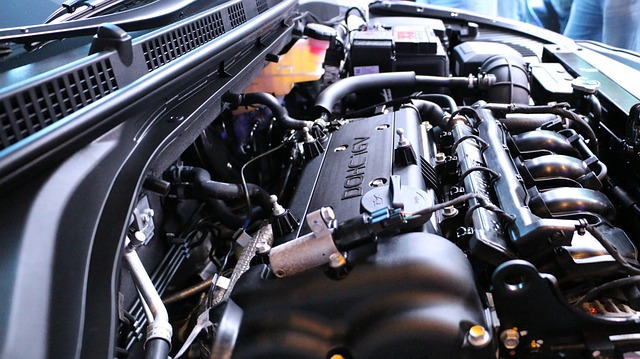
Verifying the identity of your vehicle is a critical step in the car registration process in California, ensuring that you’re legally owning and operating a legitimate vehicle. One efficient method to accomplish this is through the use of a DMV VIN verifier. This tool enables accurate identification by cross-referencing the Vehicle Identification Number (VIN) against the Department of Motor Vehicles’ (DMV) records. Many individuals opt for mobile vin verification, utilizing apps or services that act as mobile vin verifiers, providing convenience and swiftness.
When employing a DMV VIN verifier, whether online or through a mobile application, you’ll typically input your vehicle’s unique VIN code. The system then checks the data against California’s extensive motor vehicle records, confirming details such as make, model, year, and any historical issues associated with that specific VIN. This process is crucial in identifying potential fraud, salvage titles, or undisclosed damage, ensuring a safe and legal registration.
For instance, a recent study by the California DMV revealed that nearly 15% of vehicles attempted to be registered had discrepancies in their history, underscoring the importance of proper verification. Using a mobile vin inspection tool can streamline this process, allowing you to complete your registration quickly and accurately. By integrating a robust DMV VIN verifier into the registration procedure, California aims to maintain a comprehensive and secure motor vehicle database, benefiting both residents and law enforcement efforts.
Pay Registration Fees: Understanding Costs and Payment Methods

Registering a car in California involves several steps, and understanding the associated costs is crucial. One of the key aspects to navigate is paying the registration fees, which can vary based on factors like vehicle type, age, and emission standards. The California Department of Motor Vehicles (DMV) offers multiple payment methods for convenience and flexibility. Online payments are available through the official DMV website, making the process efficient and accessible from the comfort of your home.
For those who prefer a more traditional approach, in-person payments at local DMV offices are also an option. It’s important to be prepared with necessary documents like proof of insurance, vehicle inspection certificates, and any applicable fees for title transfers or vehicle releases. Additionally, the DMV provides a detailed breakdown of charges, ensuring transparency. These costs typically encompass registration fees, vehicle safety inspection fees, and other administrative charges.
To streamline the process, consider utilizing mobile vin verification services or conducting a mobile vin inspection 1-3 times during ownership to maintain accurate records. This proactive approach ensures that your vehicle’s identification number (VIN) is verified and any potential issues are identified promptly. For instance, some mobile services offer on-demand inspections, allowing you to ensure your car meets safety standards before registering it with the DMV.
Complete Vehicle Inspection and Obtain Registration Papers

Before you can register your vehicle in California, it’s crucial to complete a rigorous Vehicle Inspection. This process involves both a visual examination of your car’s condition and verification of its unique identifier—the Vehicle Identification Number (VIN). The California Department of Motor Vehicles (DMV) emphasizes that this step is critical for ensuring road safety and maintaining accurate vehicle records.
A key component of the inspection is utilizing a reliable VIN verifier, often accessed through the DMV’s online services or by contacting them directly. This tool cross-references your VIN with national databases to confirm its authenticity and history. For instance, a mobile VIN inspection service might scan your car’s VIN using an app, providing instant access to detailed information like previous owners, maintenance records, and any reported accidents. It’s advisable to opt for official channels or trusted third-party services to ensure the accuracy of data retrieved during this process.
Once your vehicle passes the VIN inspection, you’ll be clear to obtain your registration papers. The DMV will issue a registration certificate and license plate, which must be displayed on your vehicle at all times while driven on California roads. Keep in mind that maintaining up-to-date registration is not just a legal requirement but also facilitates efficient road safety measures by enabling authorities to quickly identify vehicles involved in incidents or violations.
By meticulously preparing required documents, visiting a California DMV, verifying vehicle identity using a DMV VIN verifier, paying registration fees, and successfully completing a vehicle inspection, you’ve navigated a crucial process essential for registering your car in California. This authoritative guide has equipped you with the knowledge to ensure a smooth, efficient registration experience, underscoring the importance of each step outlined, from initial document preparation to obtaining your final registration papers. Moving forward, remember the value of a DMV VIN verifier in confirming your vehicle’s identity and take pride in ensuring your vehicle complies with all regulations.