

Registering a car in Self-driving car|Self-driving truck|Truck|Truck classification|Insurance|California|California Department of Motor Vehicles|Department of motor vehicles|Commercial vehicle|Motor vehicle|Motor vehicle registration|Vehicle|Vehicle weight|Vehicle emissions control|Emission standard|Regulation|Regulatory compliance|Rulemaking|Legal liability|Product liability|Cargo|Road transport|Freight transport|Tractor|Trailer (vehicle)|Third-party logistics|Logistics|Technology|Software|Policy|Apportionment|Speed limit|Highway|Joint venture|Ownership|License|Adoption|Fresno, California|Los Angeles|Quick Auto Tags is a crucial step for any new owner, ensuring legal compliance and access to roads. However, navigating the process can be cumbersome, with many details to manage. This comprehensive guide aims to demystify the procedures, offering expert insights on every step. We’ll walk you through the entire journey, from gathering essential documents to utilizing tools like the DMV VIN verifier, ensuring a smooth and stress-free experience. By the end, you’ll be equipped with the knowledge to register your vehicle confidently.
- Prepare Necessary Documents for Car Registration
- Visit California DMV: Step-by-Step Process
- Verify Vehicle Identification Number (VIN) Accurately
- Complete and Submit Application Forms Correctly
- Pay Registration Fees and Receive Your Certificate
Prepare Necessary Documents for Car Registration

Registering a car in California involves several crucial steps, and preparing the right documents is paramount to ensure a smooth process. Among these, verifying the Vehicle Identification Number (VIN) through a reliable method like a DMV VIN verifier or mobile VIN verification service stands out as an essential task. This step not only confirms the vehicle’s identity but also safeguards against fraud and ensures compliance with state regulations.
For instance, California requires a comprehensive inspection that includes a valid VIN inspection report. This report must be obtained from a certified inspector using approved equipment, such as mobile VIN verifiers, to ensure accuracy. The process involves scanning the VIN plate, typically located on the vehicle’s dashboard or near the door frame, and comparing it with the data stored in national databases to confirm its authenticity. It’s crucial to note that many mobile VIN verifier apps and services are available, offering convenient, on-demand inspections.
When preparing your documents, make sure to gather all necessary paperwork, including the vehicle title, proof of Insurance, and a valid driver’s license. Additionally, some California counties might require specific forms or additional fees for car registration. To streamline this process, consider using digital tools that integrate with DMV services, allowing you to submit your application online and upload required documents electronically. This approach not only saves time but also reduces the risk of errors associated with paper-based submissions. Regularly check the California DMV website for updated requirements and guidelines to ensure a successful car registration.
Visit California DMV: Step-by-Step Process
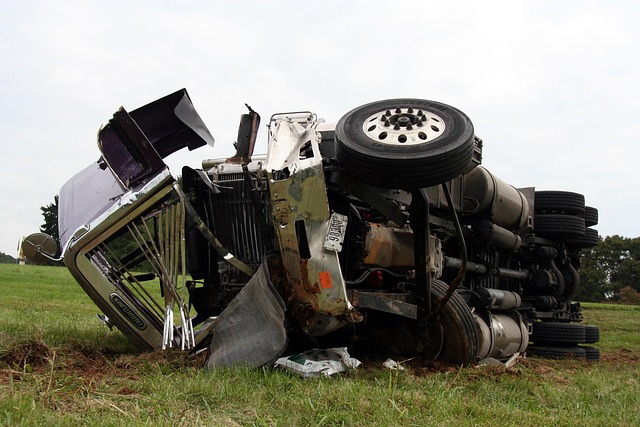
To register your car in California, the first step is to visit a California DMV (Department of Motor Vehicles) office. This process can be streamlined by utilizing the DMV’s online services beforehand, but for the initial registration or when transferring ownership, an in-person visit is required. Upon arrival, approach the customer service counter and inform the agent of your purpose: whether you’re registering a new vehicle or transferring an existing one.
The next crucial step involves providing essential documentation. This includes proof of identification (such as a driver’s license or passport), proof of residency (like a utility bill or bank statement), and the necessary registration forms. It is here that the DMV vin verifier comes into play. You’ll need to provide the Vehicle Identification Number (VIN) of your car, which can be found on the vehicle’s certificate of compliance or on the label inside the driver’s side door frame. The DMV will use this VIN to access your vehicle’s history, ensuring it meets all safety and emission standards before granting registration.
If you’re unable to visit a DMV in person, consider leveraging mobile vin verification services. These apps or online tools allow you to quickly and conveniently check your vehicle’s history by inputting its VIN. This process is often quicker than waiting in line at the DMV and can be particularly useful for those with busy schedules. However, ensure that these mobile verifiers are trusted sources to guarantee accuracy. Once all documents are in order and any necessary verifications completed (including mobile vin inspection if preferred), you’ll be on your way to a registered vehicle in California.
Verify Vehicle Identification Number (VIN) Accurately
Verifying the Vehicle Identification Number (VIN) is a crucial step in the car registration process in California. It’s a critical task often overlooked but can significantly impact the outcome of your registration efforts. The VIN is like a unique fingerprint for your vehicle, and ensuring its accuracy is essential to avoid future issues. When heading to the California Department of Motor Vehicles (DMV), many applicants make the mistake of assuming that every detail checked off their list will be flawless. However, an incorrect VIN can lead to delays, rejections, or even long-term problems with ownership rights.
A simple yet effective method to verify your vehicle’s VIN is by utilizing a mobile vin verification service. These services, often accessible through dedicated apps or online platforms, provide a convenient way to ensure the VIN’s integrity. By inputting your car’s details, you can cross-reference them with reputable databases, including those maintained by the DMV. For instance, the California DMV offers various resources and tools on its official website to assist in vehicle registration, including a section for vin inspection. This service allows users to check their VIN’s validity and history, which is particularly useful when purchasing a used car.
During the verification process, pay close attention to each digit and character in the VIN. Even minor errors or alterations can have severe consequences. If you’re unsure about any part of the VIN, consider seeking professional help or consulting the vehicle’s owner’s manual for reference. Remember, an accurate VIN is a cornerstone of successful car registration. By utilizing mobile vin verifiers, you can streamline this process and ensure that your California car registration journey proceeds smoothly.
Complete and Submit Application Forms Correctly

Registering a car in California involves completing several crucial steps, with careful attention to detail required at every turn. Among these, correctly filling out and submitting application forms is paramount. This process ensures your vehicle complies with state regulations and allows you to legally operate it on California roads. A common pitfall many drivers encounter is overlooking the importance of accurate form completion, which can lead to delays or even rejection of your registration application.
The California Department of Motor Vehicles (DMV) requires specific information for car registration, including detailed vehicle specifications, owner details, and proof of insurance. One vital component is the Vehicle Identification Number (VIN) verification. The DMV utilizes a VIN verifier to ensure the authenticity of the vehicle’s identification number, which is unique to each car. This process can be completed through a traditional in-person inspection or, more conveniently, with a mobile VIN verification service. Mobile verifiers offer a swift and efficient alternative, allowing you to verify your VIN while on the go, at a time that suits you.
When filling out application forms, ensure all entered data aligns with official records. For instance, the VIN should be accurately transcribed from the vehicle’s registration plate or documentation. Inaccurate or incomplete information can lead to delays as the DMV may request additional verification. It is also crucial to double-check your personal details and address to avoid errors that could prolong the registration process. A practical tip is to keep all necessary documents readily available, including proof of ownership, insurance policies, and any relevant vehicle inspection records.
Regular mobile VIN inspections can help maintain accurate records throughout a vehicle’s life. This is especially beneficial when reselling or transferring ownership, as it ensures potential buyers have access to reliable vehicle history data. By prioritizing correct form completion and leveraging modern tools like mobile VIN verifiers, you streamline the car registration process in California, ensuring a smooth experience from start to finish.
Pay Registration Fees and Receive Your Certificate
To complete the registration process in California, you’ll need to pay the required registration fees and receive your Certificate of Registration. This step involves several actions, starting with a crucial verification process that ensures the accuracy of your vehicle’s information. The California Department of Motor Vehicles (DMV) requires a Vehicle Identification Number (VIN) inspection or verification as part of the registration procedure. You can opt for a traditional VIN inspection at a DMV field office or leverage modern solutions like mobile VIN inspection and verification services, which offer added convenience.
When conducting a VIN inspection, whether in-person or through a mobile service, professionals will cross-reference your vehicle’s unique VIN with official databases to confirm its authenticity, history, and any existing issues. This step is vital because it protects both consumers and dealers by ensuring that the vehicle matches the details provided on the registration documents. For instance, a simple online check using a DMV vin verifier can reveal a vehicle’s previous ownership history, accident records, or outstanding recalls, empowering you to make informed decisions before finalizing the registration.
After successfully passing the VIN inspection, you’ll be directed to pay the registration fees, which vary based on your vehicle type and age. These fees cover various costs associated with maintaining public roads and services, including vehicle license fees, emissions testing (where applicable), and DMV operational expenses. Once the fees are paid, the DMV will issue your Certificate of Registration, a legal document confirming that your vehicle is officially registered in California. This certificate is typically valid for several years, after which it must be renewed to maintain legal compliance.
By meticulously preparing the required documents, accurately verifying the Vehicle Identification Number (VIN) with a dmv vin verifier, completing application forms correctly, and paying the necessary fees, you can successfully register your car in California. This process ensures that your vehicle complies with state regulations, allowing you to legally operate it on public roads. For a seamless experience, always refer to official California DMV guidelines and ensure all information is precise.